I remember seeing an old photograph, one of those stark, black-and-white (or maybe faded color, you know the kind?) images of Tar Creek in Oklahoma, sometime in the 90s. The water wasn’t blue, not even murky brown, but a horrifying, vivid orange. It looked like a wound, a terrible, open gash on the earth. That’s what decades of reckless lead and zinc mining had done, turning a once-vibrant waterway into one of the most polluted spots in America, a literal Superfund site.
For years, that orange creek, those towering piles of toxic mine tailings, the sinkholes swallowing roads and even homes—it was a landscape of despair. Mining companies, back in the 20th century, well, they just weren’t thinking about ‘environmental stewardship,’ were they? They extracted the ore, made ammunition for two World Wars (Tar Creek supplied a huge chunk of it, apparently!), and then, when profits dipped, they just… left. Left behind a poisoned land, a sick community. It’s a truly heartbreaking chapter, honestly.
But here’s the thing that really, truly struck me: this isn’t just a story of environmental disaster. It’s a profound, utterly inspiring tale of resilience, rooted deep in the land itself. The Quapaw Nation, who’ve called this area home since way back in 1834, long before anyone even dreamt of digging for lead, they decided enough was enough. They spent years, from 1997 to 2013, working hand-in-hand with the EPA, learning the ropes, getting the training they needed to heal their ancestral lands. And then, they took over.
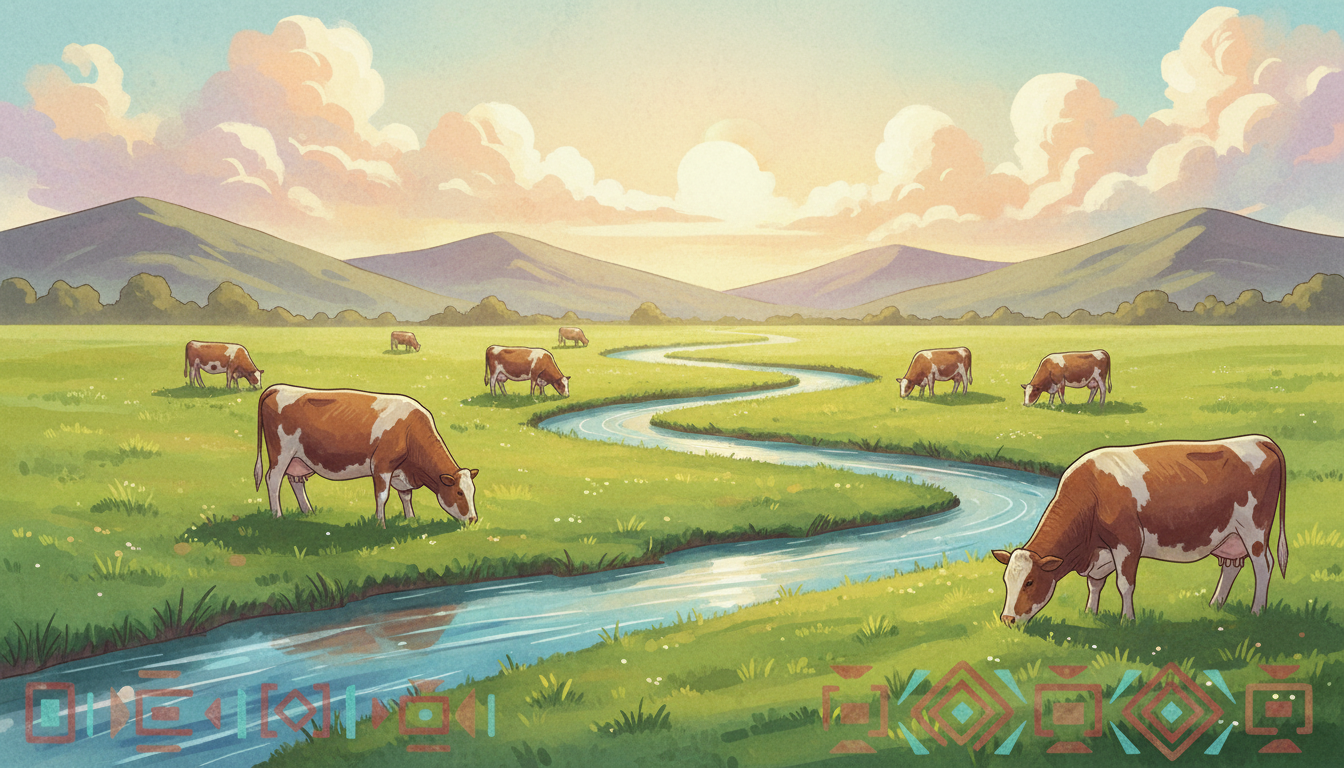
Their first big solo project was this 40-acre parcel, somewhat ironically called ‘Catholic 40.’ In less than a year, they moved over 107,000 tons of toxic waste. Think about that for a second. A decade later, they’re a remediation powerhouse! Summer King, an environmental scientist with the Quapaw, she talks about how they’ve removed *millions* of tons of waste, healed hundreds of acres, using everything from bulldozers to mushroom compost (yes, mushroom compost!), and planting thousands of native plants. Now, where there was once orange sludge, there’s vibrant green pasture. They’re ranching 400 cattle, even bison. It’s just… incredible, isn’t it?
The 508 Takeaway
This story, to me, isn’t just about environmental cleanup; it’s a powerful lesson in mindful living and the profound impact of sustained, intentional action. The Quapaw Nation didn’t just clean up a mess; they re-cultivated hope, patiently, acre by toxic acre. It reminds us that even the most daunting challenges, those things that feel utterly broken, can be healed with perseverance and a deep, abiding connection to what truly matters. It’s about seeing the potential for renewal, even in the bleakest places, and choosing to invest our energy—our kindness, our care—into bringing that potential to life. What a beautiful, tangible example of restoring balance, not just to the earth, but to the spirit.
This story was originally reported by Andy Corbley. You can read the full original article here.