Just the other day, I was wrestling with a particularly stubborn plastic container, the kind you *know* won’t make it into the regular recycling bin. You know the feeling, right? That little pang of guilt as it hits the general waste, knowing it’s destined for a landfill or, worse, an incinerator. It’s a frustrating, often overwhelming thought, really, when you consider the sheer volume of stuff we collectively toss out.
Then, almost serendipitously, an article popped up in my feed – a little beacon of ingenuity from Budapest, Hungary. And let me tell you, it completely shifted my perspective. This incredible firm, Makropa, they’re not just talking about waste; they’re *transforming* it. They’ve developed something called Waste Light Concrete (WLC), and it’s absolutely wild in the best possible way.
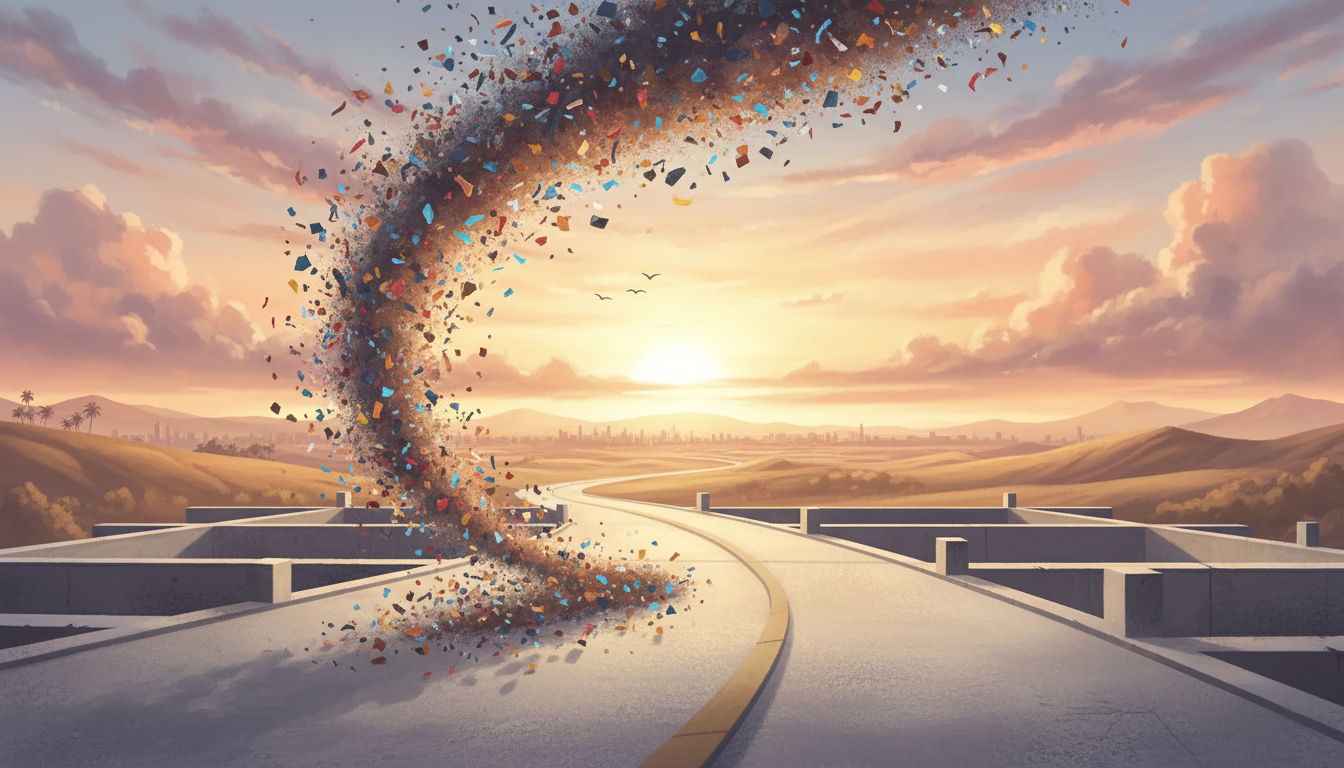
Imagine this: all those tricky, hard-to-recycle bits and bobs – polystyrene foam, those mixed-ester plastics that are a nightmare for processors, rigid plastics, even furnace ash, sawdust, and yes, *cigarette butts* – they’re all shredded up. And then? They become a vital ingredient, replacing the stones in a special lightweight concrete mixture. I mean, seriously, thousands of tons of what was once considered garbage, now giving new life to roads, building foundations, even insulating homes! Károly Bus, the visionary behind this, put it so eloquently: burying or burning these materials is, quite simply, the worst thing we can do. And he’s found a way out.
What truly struck me is that it’s not just another version of plastic roads, where things get melted down. Makropa’s method keeps the concrete’s fundamental chemistry intact, making it incredibly durable and versatile. Think about that. Really, just sit with that idea for a moment. This isn’t just a clever hack; it’s a fundamental reimagining of what ‘waste’ actually *is*. It’s a game-changer, plain and simple.
The 508 Takeaway
This Hungarian innovation, for me, isn’t just about construction materials or environmental science; it’s a powerful metaphor for life itself. How often do we look at certain experiences, certain feelings, or even certain parts of ourselves – the disappointments, the old habits we can’t seem to shake, the things we’ve labeled as ‘failures’ – and deem them ‘unrecyclable’? We think they’re beyond repair, only fit for the mental landfill. But what if, like Makropa, we could find a way to shred those seemingly unusable bits, blend them with intention, and transform them into something new, something strong, something purposeful? This story is a gentle, hopeful nudge to look for the hidden potential, the unexpected transformation, even in the most discarded corners of our own lives. It’s about finding that quiet strength, that enduring usefulness, in everything, even what we thought was just trash.
This story was originally reported by Andy Corbley. You can read the full original article here.