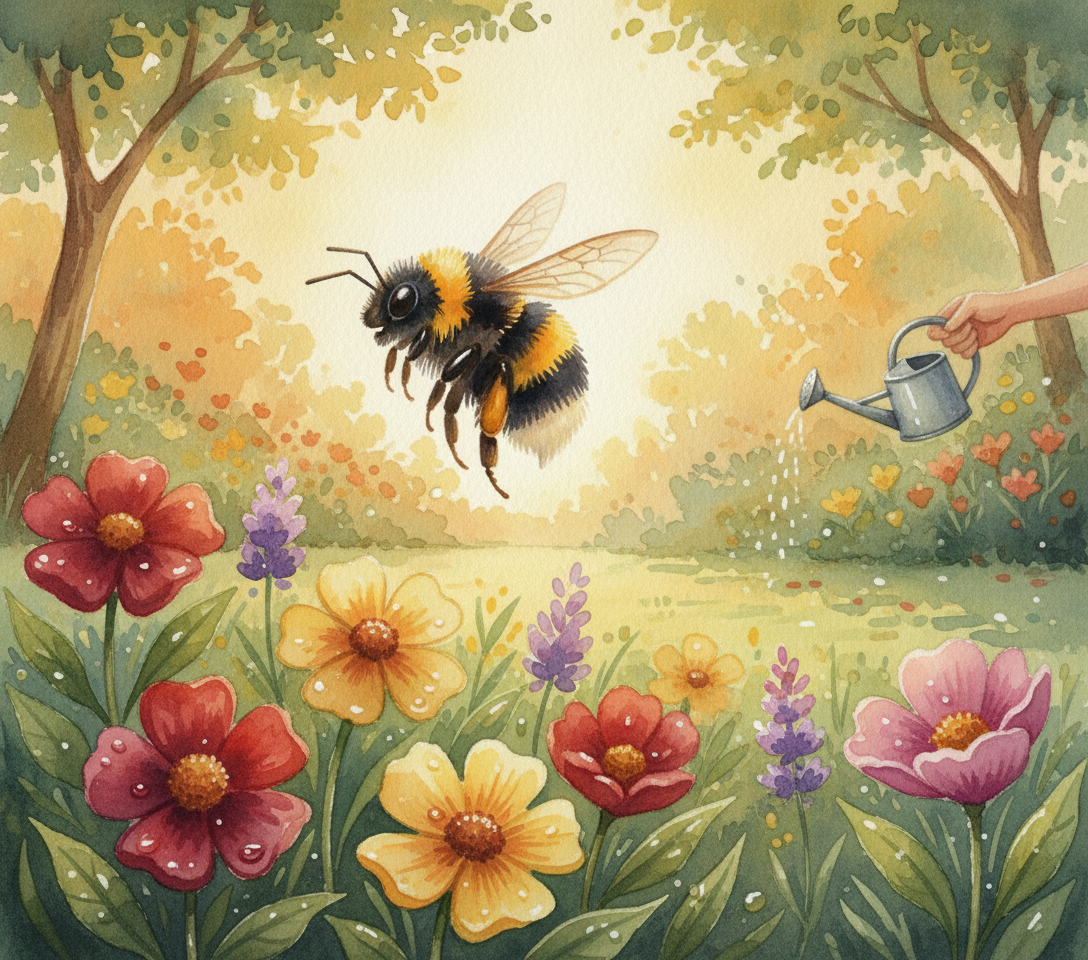
Remember those scorching summer days? The kind where the air shimmers above the pavement and you just *know* every living creature is struggling to keep cool. Well, during one such heatwave not too long ago, I found myself doing what I thought was a really good deed: setting out a little saucer of sugar water for the bees. You know, the internet told me they were tired, dehydrated, and this sweet elixir was their saving grace. My heart felt all warm and fuzzy, picturing a little bumblebee sipping its way back to buzzing glory.
Turns out, my heart was in the right place, bless it, but my science? Uh, not so much. I stumbled upon some fascinating insights from Dr. Richard Comont, a science manager at the Bee Conservation Trust, and honestly, it was a bit of a wake-up call. That sugar-water solution, for most of our wild bee friends, isn’t really doing them any favors. And here’s why – it’s not just about hydration for them; it’s about *nutrition*.
Dr. Comont explained that bumblebees get virtually all their fluid directly from flower nectar. And get this: real nectar isn’t just sugar! It’s packed with other crucial stuff like sterols and amino acids, absolutely essential for their tiny, busy lives. Just plain sugar water? It’s like us trying to live on only sugary drinks. We might feel a temporary jolt, but our bodies would be screaming for real food, right? Plus, bees really struggle to fly when temperatures soar, especially above 86 degrees Fahrenheit, and even sooner in bright sunshine. Dehydrated plants, you see, don’t produce much nectar because they simply don’t have the water to do it.
So, what *actually* helps? Drumroll, please… a shady patch of well-watered flowers! Yes, it’s that simple. Deep-rooted plants, in particular, are super helpful because they can access water for longer, ensuring a steady supply of nutrient-rich nectar. It’s like creating a little oasis for them, a cool, well-stocked pantry. My honeybee friends *do* collect water to cool their hives, sure, but they’re just one species among hundreds of wild ones that need the full meal deal. Who knew my well-meaning intentions were a bit… misinformed? Learning, always learning.
The 508 Takeaway
This whole bee-hydration revelation really got me thinking about mindful living. So often, we act with the best intentions, believing we’re doing good, but sometimes, true kindness requires a little more than just a good heart – it needs informed action. It’s about pausing, learning, and truly understanding the needs of others, whether it’s our community, our loved ones, or even the smallest creatures in our gardens. It reminds us that finding joy in everyday moments often comes from connecting with the world around us in a genuinely helpful, rather than just well-meaning, way. Let’s dig a little deeper, shall we, and ensure our kindness truly blossoms where it’s needed most.
This story was originally reported by Andy Corbley. You can read the full original article here.