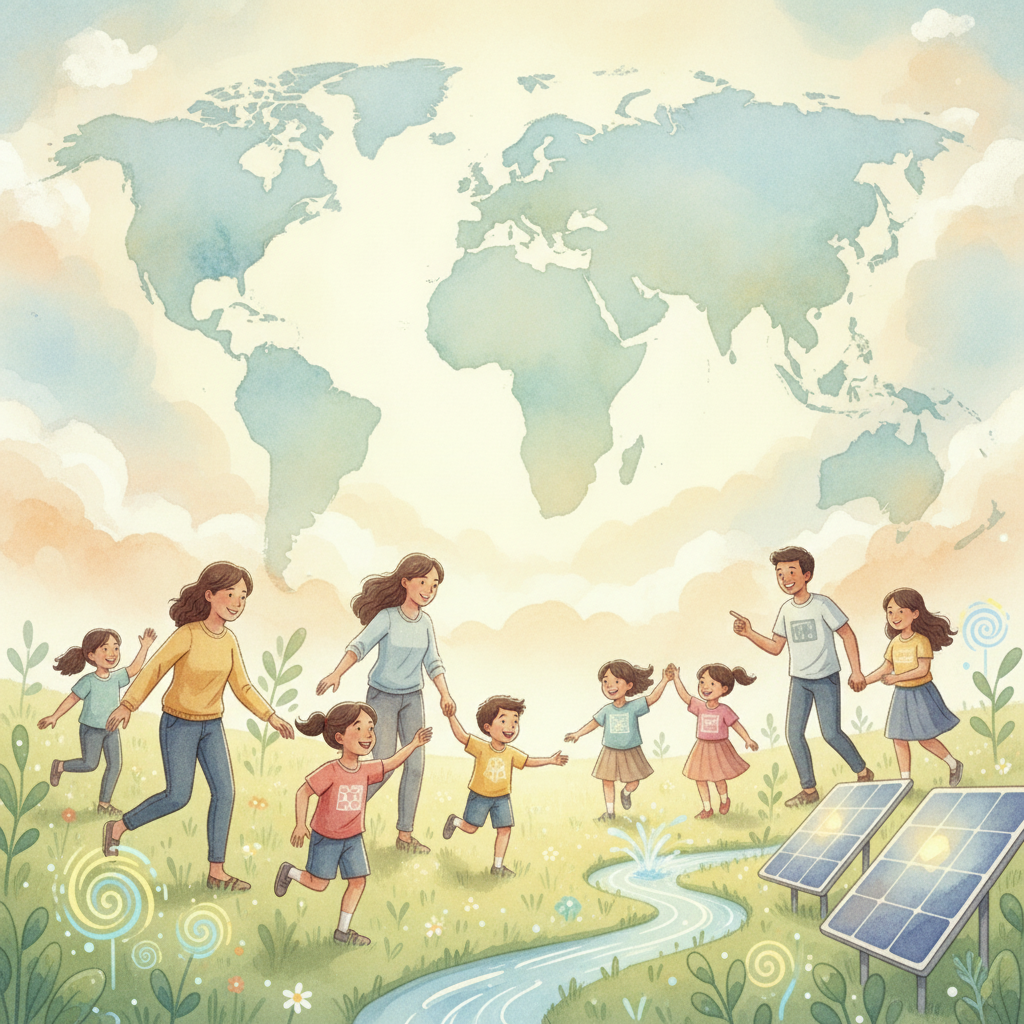
You know, sometimes the sheer, overwhelming weight of the world’s problems can feel, well, utterly crushing. I get it. Scrolling through headlines often leaves me with a tight knot in my stomach, wondering if we’re all just hurtling towards… you know, a bit of a mess. But then, every so often, a few stories pop up, little glimmers really, that don’t just offer relief; they actually rewire my brain a bit. They remind me that progress, real, tangible progress, isn’t always shouting from the rooftops. Sometimes, it’s quietly, beautifully happening all around us, if we just know where to look.
Take this incredible research I stumbled upon this week – academics identifying 51 *ready-to-go* environmental solutions. Fifty-one! Not some far-off sci-fi dream, but things that, with the right support, could trigger an “unstoppable” wave of positive change. Think about that for a second. We hear so much about negative tipping points, right? The scary domino effect. But this is about *positive* tipping points, where one good thing sparks another, and another, until you have something truly transformative, like the spread of solar power or how mangroves are being restored globally. It’s a complete flip of the script, offering a genuine sense of agency, a feeling that we actually *can* mend things. It’s not just wishful thinking; it’s a blueprint, a really hopeful one.
Then there’s the news about kids and smartphones. This one really hit home. A study found that when parents collectively agree to delay giving their children a smartphone, the kids’ mental health *improves*. School support needs fell, psychiatric disability claims dropped. Daisy Greenwell, who championed the ‘Smartphone Free Childhood’ campaign, put it so perfectly: “Delaying a smartphone isn’t about what you’re taking away from your child – it’s about everything you’re giving back.” More time, better sleep, real-world friendships, space to play, the ability to focus. These aren’t just good things; in our hyper-connected world, she called them “superpowers.” And honestly, isn’t that what we all want for our kids? For ourselves, even?
And just when I thought I’d absorbed enough good news, the UN voted to replace the old Mercator world map. Did you know the traditional map makes Africa look roughly the same size as Greenland, even though it’s *fourteen times larger*? Fourteen times! The new Equal Earth map corrects this. Togo’s foreign minister, Robert Dussey, said, “A fair world begins with a fair map.” It’s a subtle change, perhaps, but a powerful one, reminding us how our perception of the world, even its very geography, shapes our understanding of its peoples and places. It’s a visual shift that can spark a mental one, you know?
The 508 Takeaway
What I’ve really taken from these stories, from the quiet revolutions happening in labs and living rooms and even in the very maps we use, is this: mindfulness isn’t just about slowing down; it’s also about *looking up*. It’s about being present enough to spot the seeds of kindness and progress, even when the world feels loud and chaotic. These aren’t just isolated victories; they’re invitations to believe in the collective good, to participate in those positive tipping points in our own lives and communities. Whether it’s choosing connection over constant scrolling, or simply shifting our perspective on how vast and capable our world truly is, there’s immense joy to be found in recognizing that we are all, in our own ways, contributing to a fairer, kinder, and more hopeful future. We really are.
This story was originally reported by Gavin Haines. You can read the full original article here.