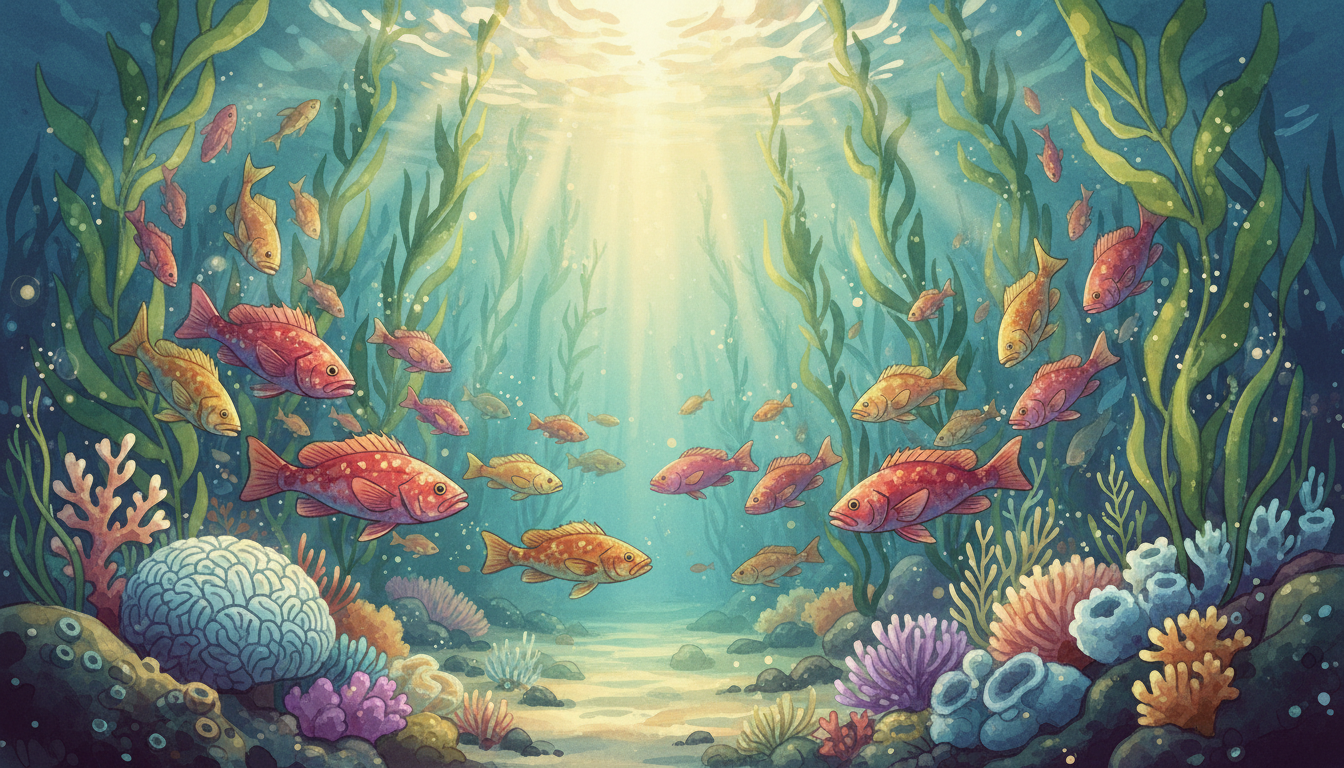
Remember those news stories from, oh, twenty-some years ago? The ones about our oceans being, well, *empty*? I do. There was a real sense of dread, especially here on the coast, about the future of our precious marine life, particularly those bottom-dwelling fish, the groundfish, that just seemed to vanish. Their numbers were plummeting; it was a crisis, truly.
It wasn’t some sudden, dramatic extinction event, you know, like a meteor. No, this was a slow, agonizing bleed, largely thanks to something called bottom trawling. These nets, massive things, would just scrape the seafloor, scooping up everything in their path – not just the fish folks were after, but also destroying the very habitats where these creatures lived and bred. Honestly, it was a mess. A ‘fisheries disaster’ they called it by 2000, and rightly so. The experts, bless ’em, just hadn’t quite grasped how vulnerable these groundfish truly were, how long it took them to grow, how easily they could be wiped out.
But here’s where the story takes a hopeful turn, a real testament to what happens when people decide, ‘Enough is enough.’ California, my friends, didn’t just throw up its hands. Nope, they rolled up their sleeves, or rather, they opened their wallets first. A whopping $46 million went into a ‘buyback’ program, essentially paying fishermen to retire their trawlers. Think about that for a second – economic incentive to *stop* fishing in a destructive way. Pretty brilliant, right?
And for the trawlers that remained? Oh, they got serious. Onboard observers, strict quotas, even specially designed gear to reduce ‘bycatch’ – you know, all the other marine life caught accidentally. Eventually, a near-total ban on bottom trawling across most of the state’s waters. They even set aside special ‘conservation areas’ for rockfish and cowcod, letting them have their space, their quiet nurseries, to bounce back. And guess what? It worked. Oh, did it ever work! By 2011, most of those 90-plus groundfish stocks? Recovering or *fully rebuilt*. Years ahead of schedule, even. Just one — the yelloweye rockfish — is still playing catch-up, but even *that* one’s expected to be back by 2029. The NOAA, our national ocean agency, even reported in spring 2024 that 94% of US fish stocks *aren’t* being overfished. That’s a national high, and California’s efforts definitely played a huge part.
The 508 Takeaway
It makes you think, doesn’t it? This whole saga, from near-collapse to vibrant recovery, offers such a potent lesson for our own lives. Sometimes, to heal, whether it’s our environment or our own weary spirits, we need to create space. We need to say ‘no’ to things that deplete us, even if they’ve been ingrained habits, like that destructive trawling. We need to implement our own ‘conservation areas’ for our mental health, our relationships, our quiet moments. It’s about intentionality, about choosing kindness not just for others, but for the world around us and for ourselves. Seeing the ocean’s resilience, its capacity to rebound when given the chance, reminds me that our own capacity for renewal, for finding joy even after struggle, is just as vast. We just have to give ourselves, and our planet, a little peace and a lot of care.
This story was originally reported by Andy Corbley. You can read the full original article here.