You know that gut-wrenching sound? The wail of a siren, racing against time, and you just instinctively *know* someone’s in trouble. For years, in McKinney, Texas, that sound often came with a grim reality for cardiac arrest victims. Just a couple of years back, if your heart decided to call it quits there, your chances of pulling through were, well, pretty darn low – a mere 10 percent. That’s about average for many places, but average isn’t exactly inspiring, is it?
But oh, how things can change when a community decides to *really* lean in! Fast forward to today, and McKinney has absolutely blown those numbers out of the water. Their survival rate? A staggering 47 percent. I mean, wow. Almost half! It’s not quite Seattle’s legendary 50%, but they’re closing in, and it’s a huge leap past the national average of 30%. What changed? A truly remarkable, almost friendly, partnership between the McKinney Fire Department and their Police Department. They actually sent a team to Seattle – the gold standard, apparently – to learn their secrets for a super-fast “chain of survival.” Think rapid recognition, immediate CPR, quick AED access, and speedy transport. Every minute, you see, without care, survival chances drop by 10 percent. It’s a race, no doubt about it.
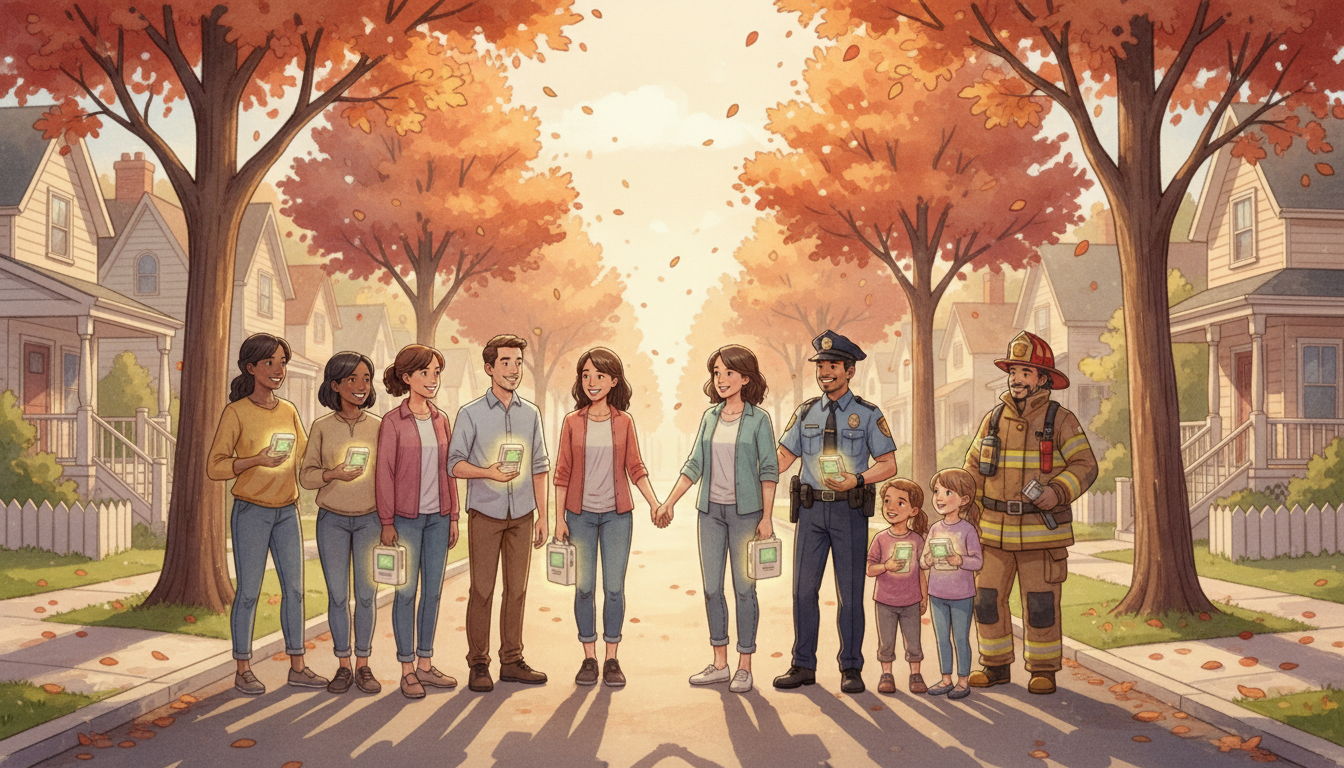
Now, here’s the really cool part: they didn’t stop with just the first responders. Every single patrol car, traffic unit, and neighborhood police vehicle now carries an Automated External Defibrillator (AED). Can you imagine? Some officers, I hear, were a bit skeptical at first, but then they started *saving lives* themselves. That changes your mind, doesn’t it? Fire Chief Paul Dow put it perfectly: “It’s a really interesting shift in mindset for police officers, and they bought into it.” And now? McKinney is taking this life-saving mission straight to the neighborhoods, aiming to be one of the nation’s first “4-Minute Cities.” That means an AED is never more than four minutes away from *any* cardiac event. They’re deploying 200 more of these devices, empowering regular folks – us, you, me – to become “Neighborhood Heroes.” It’s a big deal, and honestly, it’s just incredibly inspiring.
The 508 Takeaway
This isn’t just a story about statistics or fancy equipment; it’s a profound lesson in active kindness and the power of collective presence. For ‘508 Life,’ it reminds us that mindfulness extends beyond our own inner world to how we engage with our community. Being present means not just observing, but being *ready* to act, to offer a helping hand – or, in this case, a life-saving device. It’s about understanding that our well-being is intertwined, and when we empower each other, when we truly look out for our neighbors, we cultivate a deeper, more joyful sense of connection. Imagine the peace of mind in a community where everyone knows, deep down, they’re cared for, a place where a heartbeat isn’t just an individual rhythm, but a shared, protected symphony.
This story was originally reported by Good News Network. You can read the full original article here.