You know, sometimes the news cycle just feels… relentless, doesn’t it? All this talk of division, conflict, the constant churn. It’s easy to get a bit jaded, I think. But then, every so often, something truly remarkable surfaces, something so ancient it practically whispers across millennia, offering a different kind of story. And that’s exactly what happened when I stumbled upon news of a recent archaeological find in Türkiye.
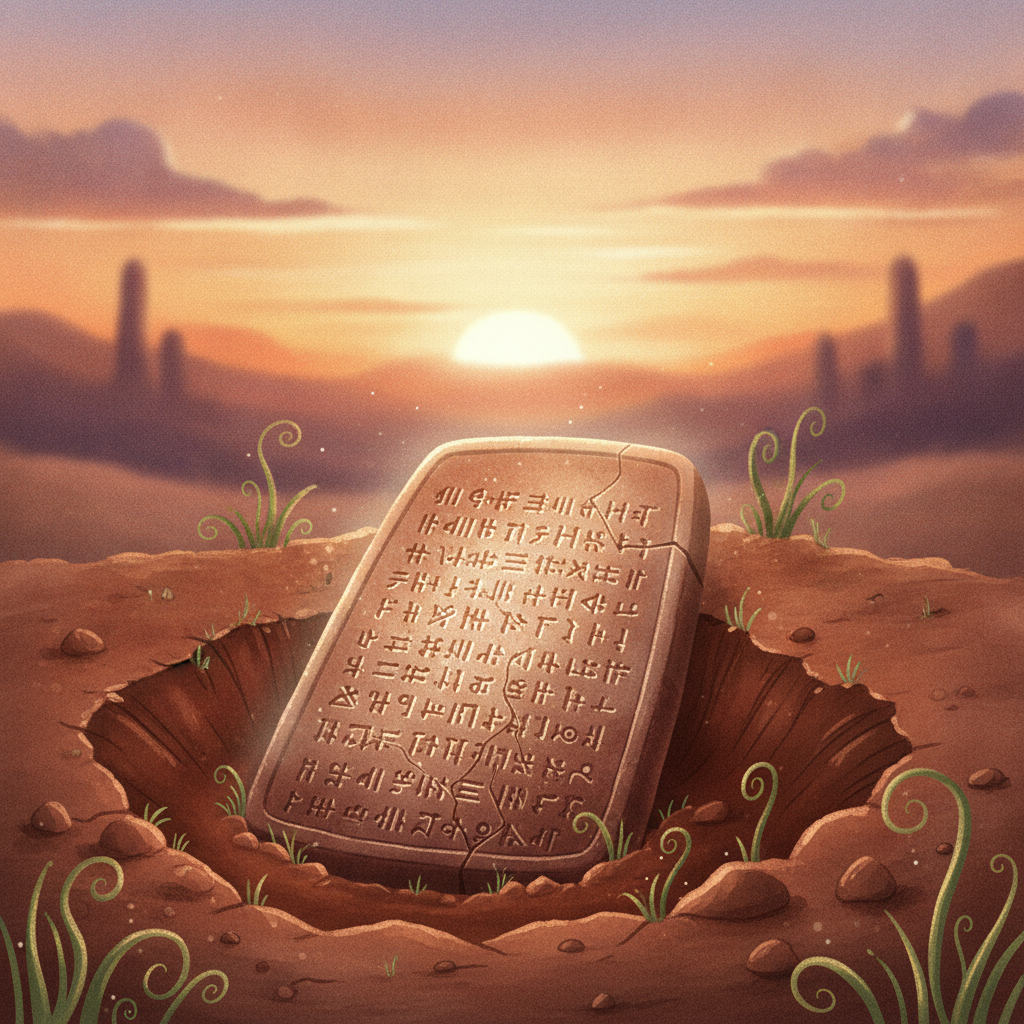
Imagine this: a humble clay tablet, dug up from an ancient site, not just any old relic, but a fragment of what’s now confirmed as a copy of the world’s *oldest* peace treaty. Yeah, you heard that right. We’re talking about the Peace of Kadesh, a pact hammered out around 1,300 BCE between the mighty pharaoh Ramses II of Egypt and the powerful Hittite king Muwatallis II, after what was apparently one of the largest chariot battles ever. Tens of thousands of soldiers, a brutal stalemate, and then… peace. Not just a temporary ceasefire, mind you, but a declaration of “peace and fraternity without leaving place among them to any enmity.” Those words, translated from Akkadian, are just… wow, right?
What really struck me, though, beyond the sheer age of the thing—I mean, 3,300 years!—was the language. It’s so aspirational, pledging “eternal friendship, lasting peace, territorial integrity, nonaggression, extradition, and mutual help.” It even included a sort of amnesty for those fleeing one kingdom to the other, stating they shouldn’t face severe punishment. No homes destroyed, no wives seized, no tongues cut out. Can you believe that level of foresight and humanity, way back then? It’s almost like a blueprint for something we still strive for today. The UN even got a copper imitation of one of the original tablets as a gift from Türkiye back in the 70s, which is pretty neat, if you ask me.
This isn’t just about dusty history books; it’s a profound echo. It makes you wonder, if two ancient superpowers, after a massive, bloody conflict, could sit down and etch out a peace treaty that spoke of eternal friendship and mutual respect, what are we truly capable of now? It kind of blows your mind, doesn’t it? It suggests that the yearning for peace, for true connection, isn’t some modern invention; it’s deeply, deeply ingrained in the human spirit.
The 508 Takeaway
For me, this ancient tablet is more than just an artifact; it’s a powerful reminder for our ‘508 Life’ philosophy. In a world that often feels fractured, the Peace of Kadesh whispers a profound truth: the desire for harmony, for genuine connection, is an enduring human trait. It tells us that even after the fiercest storms, the path to peace is always there, waiting to be walked. It’s about choosing understanding over animosity, finding common ground, and remembering that kindness — even between ancient empires — is always possible. This isn’t just a political ideal; it’s a personal one. What small, intentional peace can we cultivate in our own lives, in our own relationships, today?
This story was originally reported by Andy Corbley. You can read the full original article here.