You know, sometimes the most profound lessons pop up in the most unexpected places. Just the other day, I was reading about Frans de Waal, a primatologist who spent, like, *years* just observing chimpanzees. And what he noticed about how they handle disagreements? Honestly, it blew my mind a little. We humans, we’re pretty good at conflict, aren’t we? A disagreement flares up, maybe some harsh words get exchanged, and then… silence. A sulk. Evasion. Sometimes, a relationship just slowly, sadly, withers away because neither side really knows how to *come back* from it.
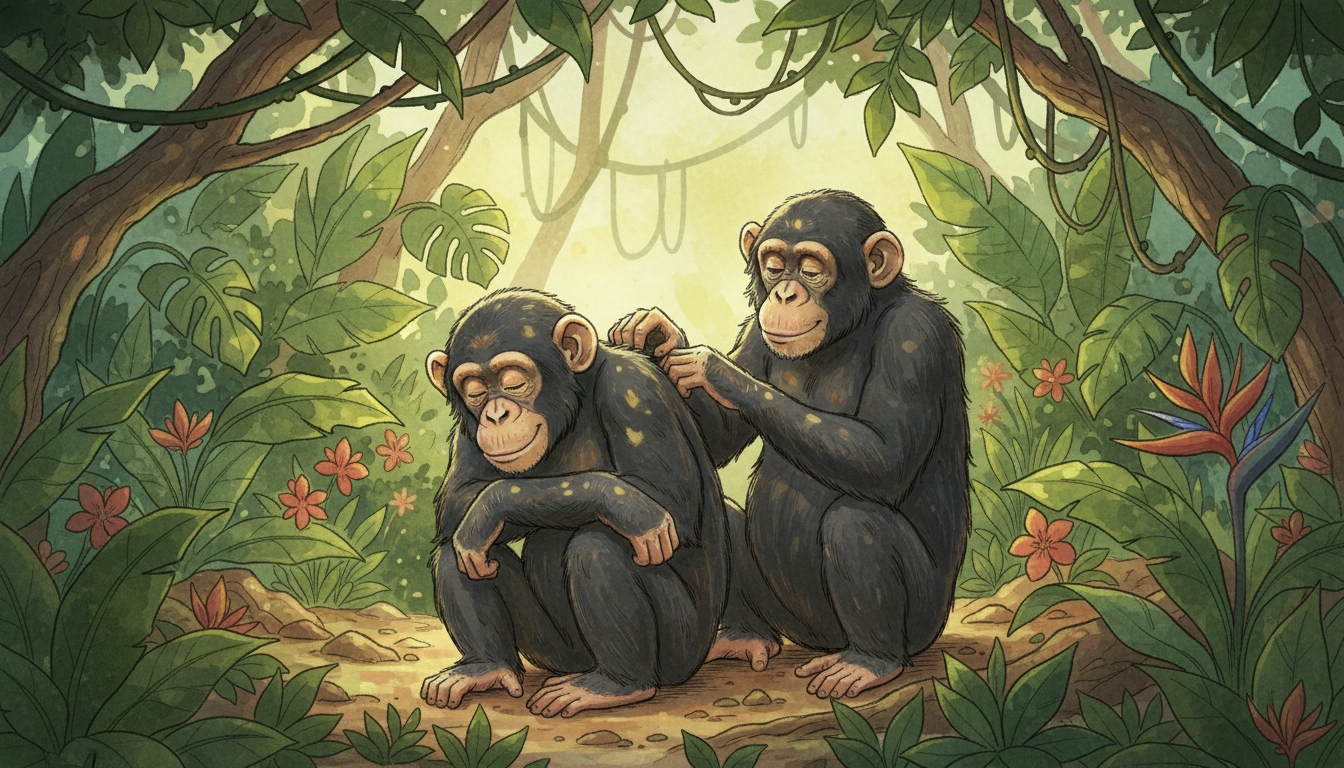
But these chimps? Oh, they’re different. De Waal noticed they don’t just stop fighting; they actively, almost *ritualistically*, work to repair the damage. Think about it: after a squabble, they’d engage in all these appeasement gestures, grooming each other, sharing food – really *trying* to reconnect. It wasn’t about pretending nothing happened, but about consciously rebuilding trust. And here’s the kicker: he often saw their relationships emerge *stronger* after weathering the storm. Can you imagine?
It made me stop and think, really think, about how *I* handle my own moments of discord. Do I lean into the awkward silence, hoping it’ll just… poof, disappear? Or do I actually *do* something? It’s tough, sure, to be the one to extend that olive branch, to offer a kind gesture when you’re still feeling a bit bruised. But maybe, just maybe, that’s where the real magic happens. That intentional effort, that willingness to be vulnerable and say, “Hey, this matters to me, and *we* matter to me,” can turn a rupture into something even more resilient. It’s not about being perfect, heavens no, but about being present and proactive.
The 508 Takeaway
This chimp wisdom, it’s truly a beacon for a 508 Life. It reminds us that mindfulness isn’t just about inner peace; it’s about how we interact with the world and the people in it. When conflict inevitably arises, instead of retreating into our shells or letting resentment fester, we have a choice. We can mindfully choose connection. We can practice radical kindness by initiating those acts of rebonding – a sincere apology, a shared moment, a gentle touch. It’s an active, compassionate step towards healing, not just for the other person, but for ourselves. And in that brave, open act of reconciliation, we don’t just mend a bond; we often forge one that’s deeper, richer, and full of a joy that only comes from truly overcoming.
This story was originally reported by Good News Network. You can read the full original article here.