I was scrolling through the news the other day, just like we all do, probably looking for a little glimmer of something good amidst… well, everything else. And then I stumbled upon a story from Greece, a quiet little gem that really made me pause. It wasn’t about grand gestures or flashy headlines; it was about an island, a forgotten piece of land called Gyaros, and a population of truly special creatures.
Gyaros, if you’ve never heard of it – and honestly, why would you have? – is this craggy, windswept speck of land in the Cyclades. For centuries, this very same island, a name many probably wouldn’t even recognize on a map, served as a bleak place of exile, a stark, windswept rock where Roman poets—even Juvenal, mind you—mentioned its harshness as a metaphor for confinement. Later, in the 20th century, it housed political prisoners. Not exactly a postcard-perfect paradise, right?
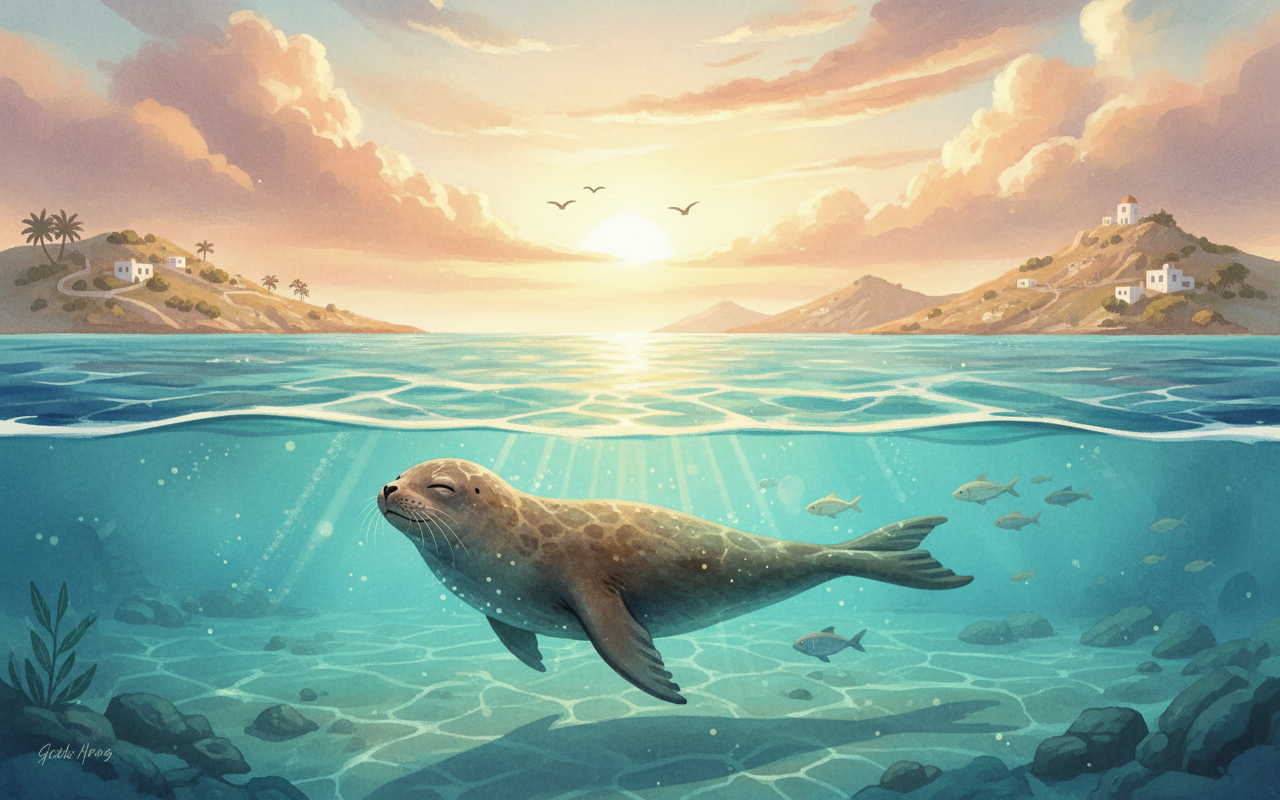
But here’s the kicker: despite all that human drama, all that history of desolation, Gyaros has always been home to something utterly magnificent: the Mediterranean monk seal. These aren’t your average playful harbor seals; oh no, these guys are right up there on the ‘critically endangered’ list, a real whisper of a population, clinging to existence. And Gyaros? It hosts the world’s largest colony. Imagine that! Even when our post-independence Greek navy was using the place as a naval targeting range, these resilient creatures, somehow, kept breeding, kept thriving in their secret coves.
Up until recently, any protections for them were, well, a bit flimsy, mostly provincial and without much teeth. But just a few weeks ago, something truly wonderful happened. The President of Greece, with what I imagine was a very deliberate stroke of a pen, signed into law a brand-new national marine protected area around Gyaros. A big deal! Now, the coast guard and the Ministry for Environment and Climate Change will actually work together to safeguard this precious spot.
It’s not just the seals, either. This island is a biodiversity hotspot, a vibrant hub for threatened shearwaters and a whole host of other beautiful pelagic life. The World Wildlife Fund Greece, who’ve been doing incredible ecological work there since 2013, called this decision a “decisive milestone.” And honestly, it really is. It ensures the long-term preservation of this island’s natural wealth, while also, get this, supporting local communities in the Northern Cyclades. A win-win, if you ask me.
The 508 Takeaway
This story, for me, isn’t just about seals or islands; it’s a beautiful, tangible reminder that even places scarred by history, by human conflict or neglect, can become havens. It shows us the incredible power of intention – when we truly decide to protect something, to nurture life, amazing things can happen. It makes you wonder, doesn’t it? What “Gyaros” exists in our own lives? What forgotten corners, what seemingly inhospitable parts of ourselves or our communities, could, with a little kindness and mindful attention, blossom into something vital, something beautiful? Perhaps it’s about seeing the potential for sanctuary everywhere, even in the most unexpected spots.
This story was originally reported by Andy Corbley. You can read the full original article here.