You know those mountains of plastic bottles? The ones we dutifully toss into the recycling bin, hoping they’ll actually *become* something new, not just sit there for centuries? Well, get this: scientists in Edinburgh, Scotland, are now figuring out how to turn those very bottles into a life-changing medication for Parkinson’s disease. Seriously. My jaw practically hit the floor when I first heard it.
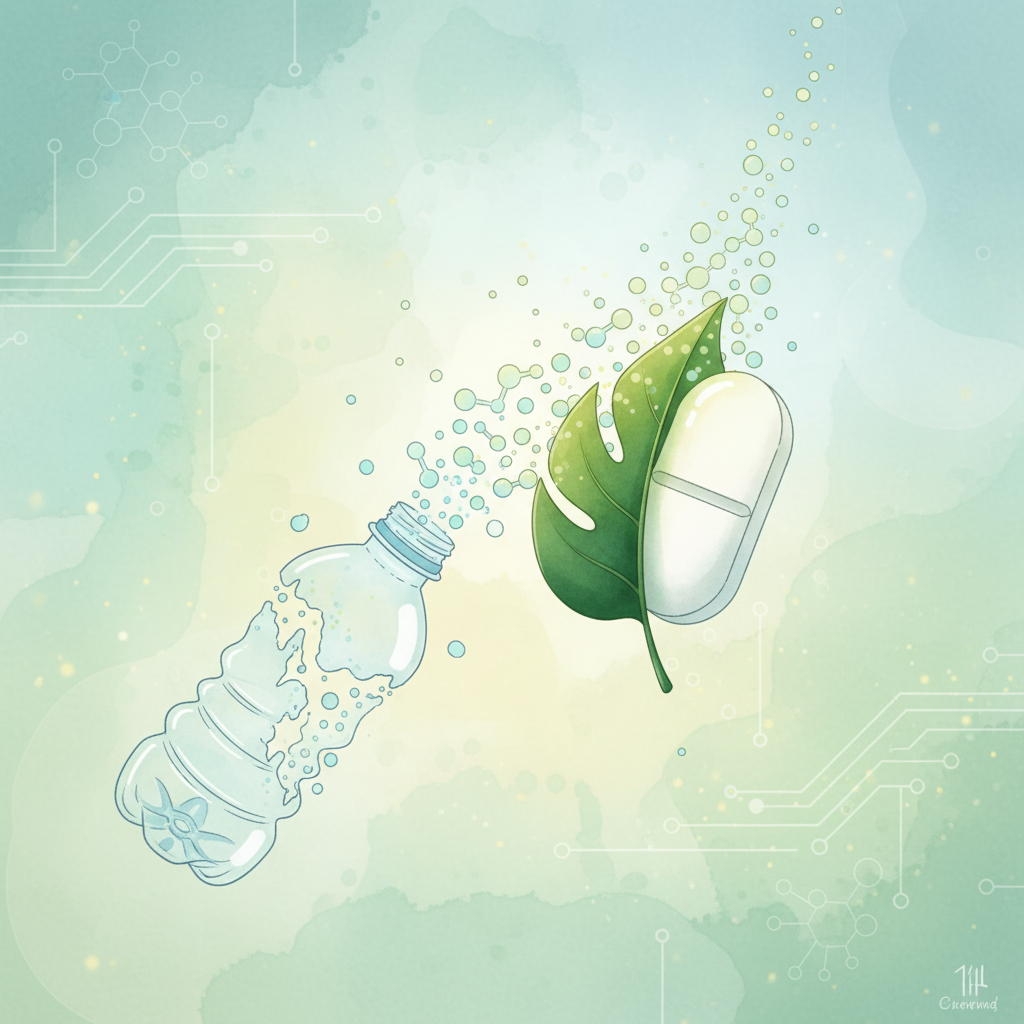
Dr. Stephen Wallace and his team at the University of Edinburgh—brilliant minds, these folks—have essentially taught E. coli bacteria a new trick. Not just any E. coli, mind you, but specially engineered little critters. Their mission? To take PET plastic, the stuff our soda bottles and food containers are made from, and transform it into L-DOPA. If you’re not familiar, L-DOPA is a crucial drug for folks living with Parkinson’s, helping manage those debilitating symptoms. It’s also used for Restless Leg Syndrome. Pretty big deal, right?
This isn’t just some lab experiment for kicks; it’s a truly wild, trailblazing approach. For the first time ever, a *biological* process is making this medicine from waste. Think about it: traditional pharmaceutical manufacturing often relies on fossil fuels, which, let’s be honest, aren’t exactly a renewable resource or great for Mother Earth. But plastic? We’ve got more than enough of that, sadly – 50 million metric tons produced annually. Dr. Wallace put it so perfectly, calling plastic waste a “vast, untapped source of carbon.” It’s like finding treasure where everyone else just saw trash.
The process itself is pretty neat, though I won’t pretend to understand all the nitty-gritty. Basically, they break the plastic down into a chemical called terephthalic acid, and then these super-smart bacteria get to work, performing a series of biological reactions to churn out L-DOPA. It feels like science fiction, but it’s happening. And Wallace believes, with good reason, that this is just the beginning. Imagine what other vital medicines we could conjure from our waste streams! It’s an inspiring thought, isn’t it?
The 508 Takeaway
This discovery, honestly, makes me pause and really consider the hidden potential in everything around us. For ‘508 Life,’ it’s a profound lesson in mindfulness and transformation. We often look at what’s ‘broken’ or ‘waste’—be it a discarded plastic bottle or a challenging moment in our own lives—and see only an endpoint. But what if we shifted our perspective? What if we started to see these things not as problems, but as raw materials for something new, something better? This Edinburgh team isn’t just making medicine; they’re modeling a deep kindness: kindness to our planet by reimagining waste, and kindness to humanity by creating hope from unexpected places. It’s a beautiful reminder that with a little ingenuity and a lot of heart, even the most overlooked things can become sources of profound healing and joy.
This story was originally reported by Andy Corbley. You can read the full original article here.