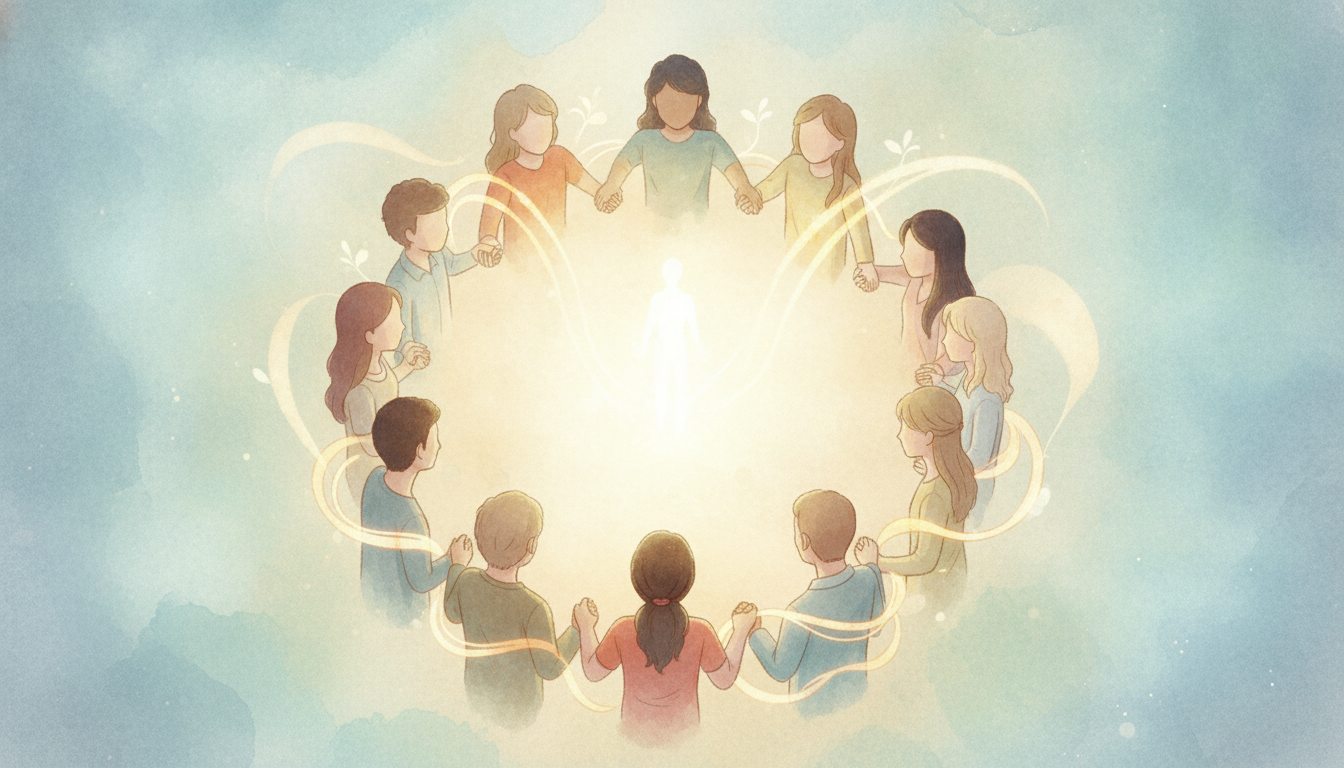
You know, sometimes the most profound shifts in our world begin not with a bang, but with a deeply personal, almost silent, decision. I was just looking through some historical notes for June 10th, and one particular entry really caught my eye, made me pause, you know? It wasn’t about grand declarations or huge battles, but about a single man, Bill Wilson, taking his very last drink on June 9th, 1935. Think about that for a second. The day *before* Alcoholics Anonymous was officially founded in Akron, Ohio, he made that monumental, life-altering choice.
It’s pretty amazing, isn’t it? From that one decisive moment, a whole new pathway opened up. The next day, he co-founded AA with Dr. Bill Smith, who, bless his heart, helped shape the Twelve Step program. And these weren’t just some arbitrary rules, no sir. They were — and still are — a blueprint for spiritual and character development. It’s about staying sober, sure, but it’s also, crucially, about *helping other alcoholics achieve sobriety*. A beautiful, reciprocal kind of healing.
You might have seen those sobriety tokens, or ‘chips,’ they give out – green for six months, purple for nine. Little tangible reminders of immense personal victories, often with the Serenity Prayer etched on the back. Powerful stuff, really. By 1939, they’d penned their foundational text, a book simply titled *Alcoholics Anonymous*, detailing how over a hundred men found recovery. Fast forward to 2016, and we’re talking about nearly two million members worldwide. Just think: two million lives, touched, transformed, given a second chance, all stemming from that one man’s last drink.
What always strikes me about AA, beyond the obvious good it does, is its underlying philosophy. They’re self-supporting, fiercely apolitical, operating under these ‘Twelve Traditions’ introduced in 1946. These aren’t about dogma; they’re about keeping the focus squarely on recovery, fostering an altruistic, non-coercive, non-hierarchical community. No grandstanding, no property acquisition for its own sake, definitely no outside contributions that might compromise their mission. It’s truly about one alcoholic helping another, a genuine, grassroots movement built on shared vulnerability and unwavering support. And honestly, isn’t that just the most human thing? To reach out, to connect, to lift each other up when we’re at our lowest? I think so.
The 508 Takeaway
This story, for me, really underscores the profound power of connection and self-compassion. It’s not just about addiction, is it? It’s about recognizing our common humanity, our struggles, and the incredible strength that comes from admitting we need help. And then, perhaps even more importantly, *offering* that help to someone else. AA’s very foundation reminds us that kindness isn’t just a nice gesture; it can be the bedrock of transformation. When we create spaces, whether formal or informal, where people feel safe to be vulnerable, to share their journey, and to support one another without judgment, well, that’s where true joy and lasting change really blossom. It’s a beautiful, messy, human process, and a powerful blueprint for how we might live more mindfully, more kindly, every single day.
This story was originally reported by Good News Network. You can read the full original article here.