You know, sometimes, when the world feels a bit… much, I find myself thinking about the things that *really* matter. Not the daily grind, not the endless to-do list, but the big, profound stuff. Like, how long do we actually get on this planet? And what does it mean to live a *healthy* life, not just a long one? I stumbled upon a report recently that just absolutely floored me, in the best possible way, about Africa.
It’s easy, I think, to get caught up in the news cycle, isn’t it? All the noise, the headlines shouting about one crisis after another. And, let’s be honest, when we hear about Africa, sometimes the stories, well, they lean towards the difficult. Wars, famines, epidemics – we’ve heard them all, and they’re devastatingly real. But what if I told you there’s another story, a truly incredible one, unfolding right now, largely out of the spotlight? I just read this report, from the WHO, looking at life expectancy across the African continent between 2000 and 2019, and honestly, my jaw dropped. Seriously.
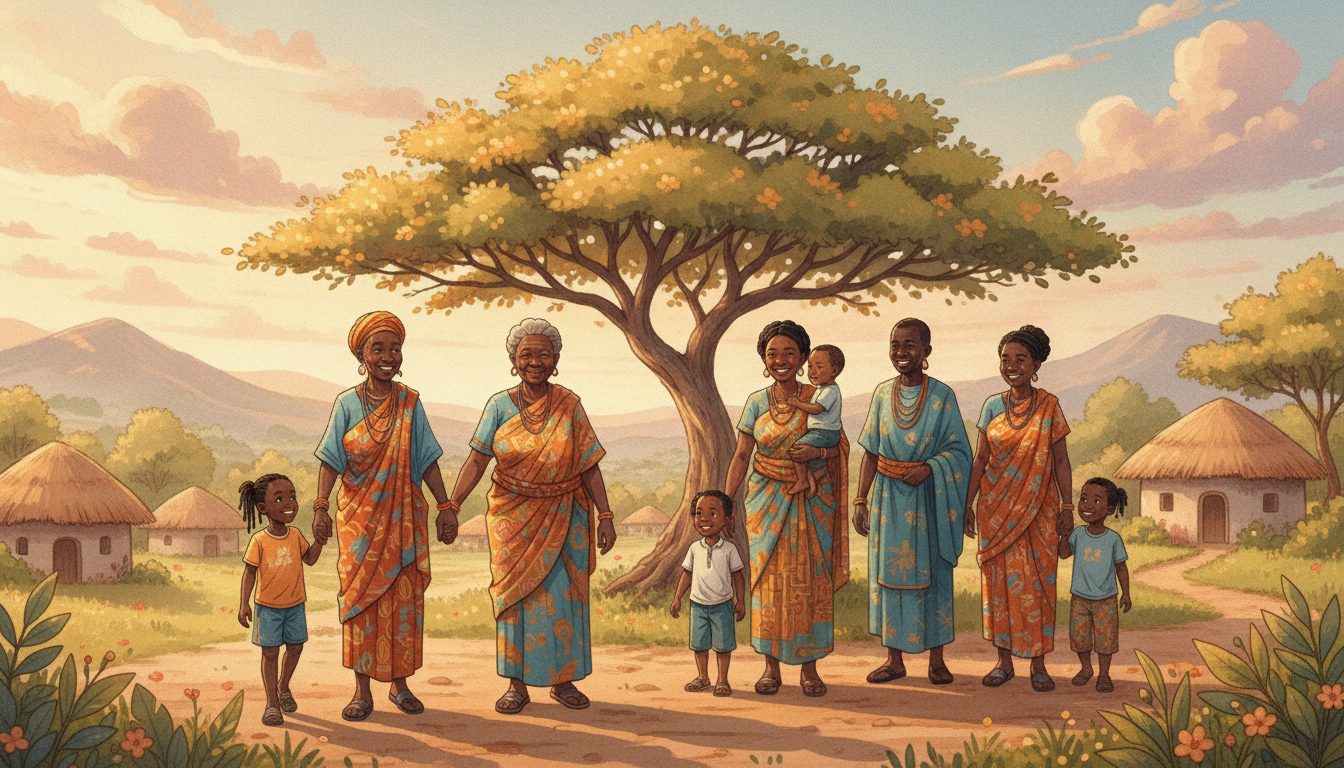
Picture this: in just under two decades, the average life expectancy for people in Africa jumped by a whopping *ten years*. Ten! And not just any years, mind you, but *healthy* years. We’re talking about folks, on average, now expecting to live healthily until 55, up from a mere 46. That’s nine extra years of vigor, of being present, of living life before illness typically starts to take its toll. The overall life expectancy? Up to 64. Some places, like Algeria and Tunisia, are even seeing numbers that, get this, actually rival some American states. Isn’t that something?
Now, how did this happen? It wasn’t magic, though it feels a bit like it. A huge part of it, and this is just so heartwarming, is that so many more children are surviving those crucial early years. Improvements in maternity care, in reproductive health – they’ve made an absolutely massive difference. Think about it: a child surviving past age five, thriving! That changes everything for a family, for a community. And then there’s the relentless, often thankless work against diseases like TB, malaria, and especially HIV. The increased access to antiretroviral medications? A game-changer, plain and simple. It means parents are living longer, raising their kids, becoming grandparents. Communities stay stronger, richer, full of wisdom and connection for so much longer. It’s a profound shift, you know?
And here’s the kicker, the part that really underscores the resilience and sheer human spirit involved: this incredible progress, these ten extra years of life and hope, happened *despite* all those headlines. Despite ongoing conflicts in places like Sudan and DRC, despite devastating famines, economic upheaval, and other epidemics like Ebola. It wasn’t a period of calm; quite the opposite. Yet, through it all, life found a way to not just persist, but to flourish, to extend itself. It’s a testament to the power of focused effort, of medical breakthroughs, and, I believe, of an unwavering human will to survive and thrive.
The 508 Takeaway
So, what does this magnificent, quiet revolution in Africa mean for us, here, in our own everyday lives? For me, it’s a powerful reminder of how precious each moment, each year, truly is. It makes me think about gratitude, doesn’t it? To really appreciate the health we have, the care we receive, the simple fact of waking up each morning. It’s also a testament to resilience – the sheer human capacity to endure, to adapt, to build a better future even when the present feels impossibly hard. It tells me that even amidst chaos, progress is possible, and often, it’s built on quiet, consistent efforts that might not make the evening news. It encourages me to look beyond the obvious, to seek out the stories of quiet triumphs, and to never, ever underestimate the profound impact of improving even just a few years of healthy life. Every single one of those years is a lifetime of moments, of connections, of joy. And that, my friends, is something truly worth celebrating, worth holding onto, worth remembering as we navigate our own days.
This story was originally reported by Andy Corbley. You can read the full original article here.