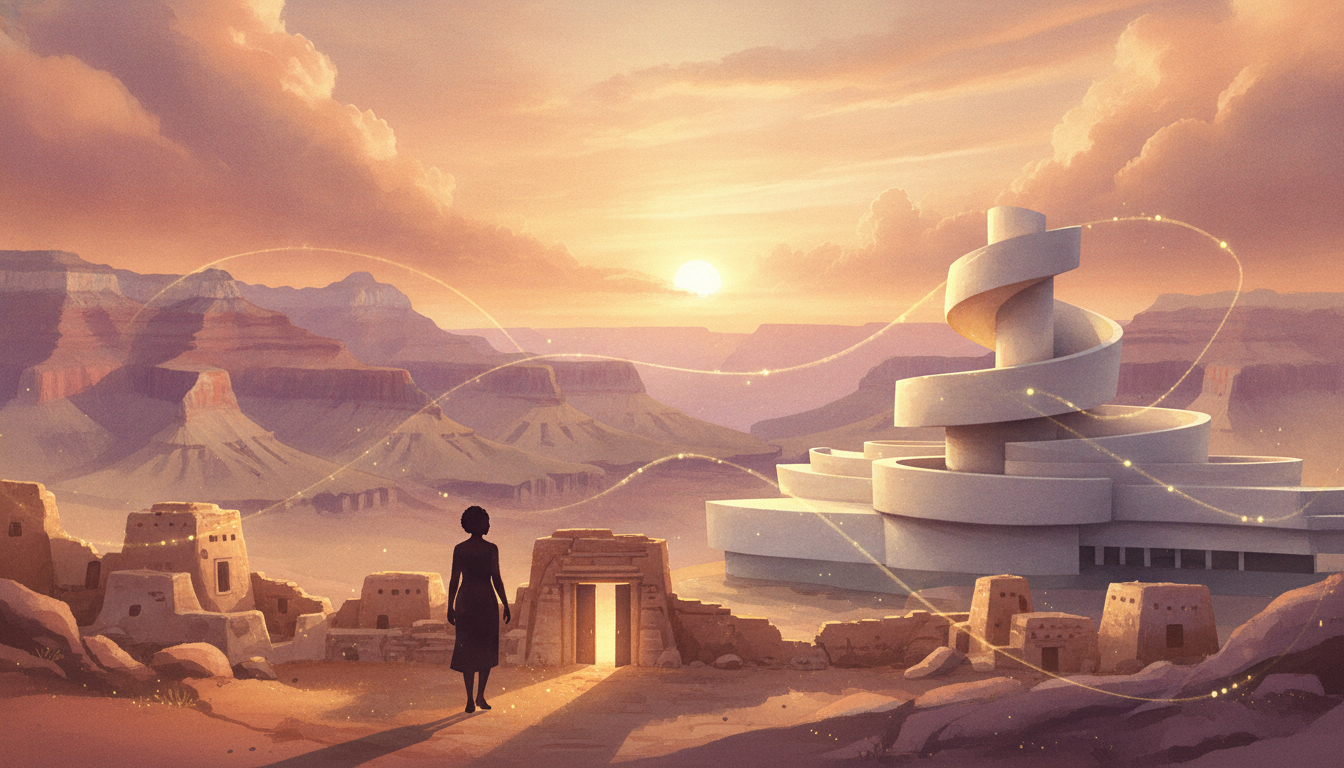
Ever stood at the edge of something so vast, so ancient, it just takes your breath away? Like the Grand Canyon, maybe, or a towering redwood grove. You feel tiny, right? But also incredibly connected to something much bigger. It’s funny, isn’t it, how some of the most profound joys come from simply appreciating what’s already here, or what someone, somewhere, had the incredible foresight to protect.
Turns out, this very day, June 8th, has seen some truly remarkable moments of such spirit. Back in 1906, President Teddy Roosevelt, bless his conservationist heart, signed the Antiquities Act. This wasn’t just dry legislation; it was a visionary move to safeguard places of ‘historic and scientific interest.’ Imagine archaeologists finding ancient Pueblo ruins in Chaco Canyon, only to see them plundered. John Lacy, a savvy politician, saw that devastation firsthand and thought, ‘No more.’ His resolve led to this act, which has since protected — get this — *the Grand Canyon itself*, along with countless other treasures. It’s a powerful message about valuing nature and history over immediate gain, I think.
Then, just decades later, in 1953, we had another kind of quiet roar. An 86-year-old activist, Mary Church Terrell, a true force, walked into a segregated Washington D.C. restaurant. She wasn’t just hungry; she was challenging a deeply unjust system. And you know what? The Supreme Court unanimously ruled that D.C. restaurants couldn’t refuse to serve Black patrons. Six years before Rosa Parks, Mary showed us the sheer power of dignified courage. It’s mind-boggling, honestly, how much one person can shift the tide.
And speaking of shifting perspectives, June 8th also marks the birthday of Frank Lloyd Wright, the legendary architect. His ‘organic architecture’ wasn’t just about buildings; it was a philosophy, really, about creating harmony between people and their environment. He famously said Nature (with a capital ‘N’!) was his church. Think about that. His designs, like Fallingwater, built right over a creek, or the spiraling Guggenheim, weren’t just structures; they were invitations to experience the world differently, to find beauty in integration.
Even a book, George Orwell’s *Nineteen Eighty-Four*, published on this day in 1949, gave us a whole new vocabulary for critical thought. Terms like ‘Big Brother’ and ‘Orwellian’ became more than just words; they became touchstones for discussing freedom and vigilance. It’s truly something when a story can resonate so powerfully that, decades later, when a recent attempt to establish a ‘Disinformation Governance Board’ sparked widespread concern, the public, from all walks of life, overwhelmingly rejected it, shouting ‘Orwellian!’—a beautiful, if unexpected, demonstration of our collective voice protecting shared ideals.
The 508 Takeaway
What I find so incredibly uplifting about these snapshots from history is how they remind us that every day holds potential for good, for progress, for moments where someone, or many, choose kindness, courage, or profound vision. It’s not just about grand gestures; it’s about quiet resolve. When we appreciate these historical ripples, we find gratitude for our world and a renewed spark to contribute our own small acts of mindfulness and care. These echoes of goodness, they really do make life richer, don’t they?
This story was originally reported by Good News Network. You can read the full original article here.