I remember those early, bewildering days of the pandemic, don’t you? The world felt like it had collectively hit the pause button, and honestly, a lot of us worried most about our kids. The headlines screamed about learning loss, isolation, and a generation — ‘the COVID generation’ — that seemed destined to carry the scars of such a strange, trying time. And sure, those struggles were real, absolutely. But what if there was another story unfolding, one much quieter, yet equally powerful?
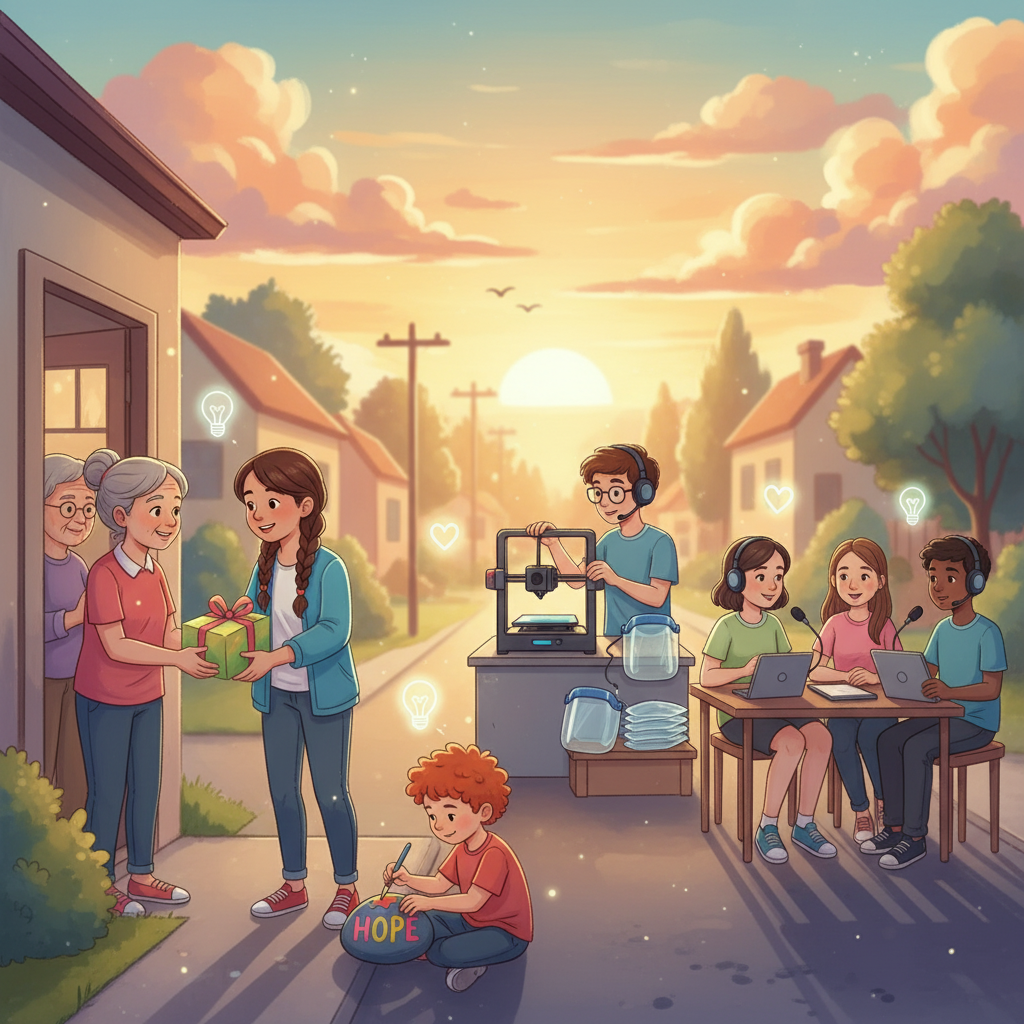
It turns out, there was. I recently stumbled upon some research, and what it revealed just… well, it genuinely warmed my heart. While we were all busy fretting (and rightly so, mind you), young people, from tiny tots to burgeoning adults, were quietly, instinctively stepping up. Think about it: remember those teens in Sackets Harbor, New York? They actually got certified as ambulance drivers! Took over the local emergency medical service because the usual, older volunteers, understandably, had to step back. Crazy, right? And in Los Angeles, through a nonprofit called Teen Line, youth were fielding texts and calls, around the clock, from peers grappling with the mental health fallout of lockdowns. They were there for each other in ways adults simply couldn’t be.
It wasn’t just the big, dramatic gestures either. Kids as young as five years old were assembling care packages for neighbors. Teens were firing up school 3D printers, churning out face shields for frontline workers. Even simpler, more poignant acts: children painting rocks with messages like, “The best is yet to come,” placing them along sidewalks, little beacons of hope. One 17-year-old, Shashank Salgam, put it so perfectly, saying, “Me and my peers were hit hard by the isolation of quarantine, but we’re rebounding with a resolve to connect beyond boundaries.” What a thought.
Sociologist Lori Peek, who’s spent a career studying how disasters impact young people, calls this an “awakening.” She and her team analyzed tons of pandemic-era news articles, and what they found was a generation that, far from being just victims, was incredibly ‘disaster literate.’ They’re fluent in digital tech, sure, but more importantly, they identified who needed help and came up with genuinely creative solutions. They saw the inequalities, almost instinctively, realizing some groups were hit harder—the elderly, those with disabilities, lower-income families. These kids understood, deep down, that “disasters are not equal opportunity events.”
It makes you wonder, doesn’t it? What lasting impact will this have? A study after 9/11 showed that adults who volunteered felt more connected, more empowered to create change, and it even helped them heal. I’d like to think, truly, that these young people understand the impact they made, that it changed how they see themselves. And maybe, just maybe, that empathy they felt will keep nudging them to address other inequalities they spot as they grow.
The 508 Takeaway
So, what does this extraordinary burst of youth altruism during such a difficult period teach us about mindfulness and kindness? For me, it’s a powerful reminder to look beyond the obvious narrative, to seek out the quiet acts of courage and compassion that often go uncelebrated. It highlights our innate human capacity—even in the youngest among us—to find purpose and joy in serving others, especially when things feel overwhelming. Practicing mindfulness means noticing these moments, acknowledging the small efforts, and appreciating the resilience that can bloom even in the toughest soil. It’s about remembering that when we give our time, our creativity, our very presence, we not only help others, but we also heal ourselves, fostering a deeper connection to our communities and to our own inner strength. Let’s make sure we’re not just waiting for the big, grand gestures; let’s celebrate the everyday kindness, the quiet roar of empathy, in every generation.
This story was originally reported by Good News Network. You can read the full original article here.