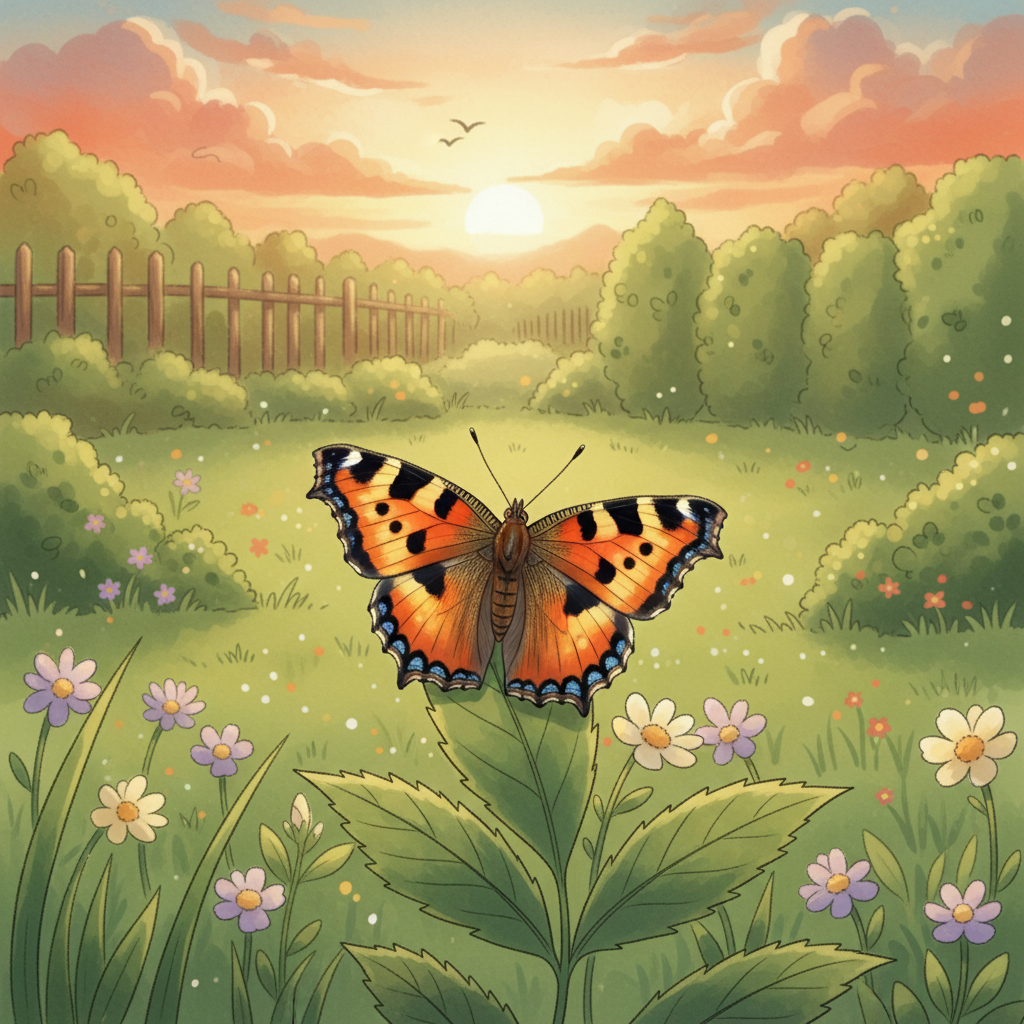
Picture this: a flash of vibrant orange and black, fluttering through an English country garden, maybe landing on a sun-drenched leaf. For decades, since the 1960s, this particular sight – the magnificent large tortoiseshell butterfly – was, well, gone from the UK. Vanished, really, thanks to the devastating Dutch elm disease that wiped out its preferred leafy nurseries. It was just a memory, a story told by older naturalists, a species that had simply disappeared from the scene.
But here’s the truly wonderful bit, the kind of small, persistent miracle that just makes your heart swell a little: it’s back. Not just visiting, mind you, like a tourist popping over for the summer, but genuinely *recolonizing*. After years of hopeful, intermittent sightings, and then, crucially, the confirmation of wild caterpillars hatching in places like Dorset back in 2020 – a real game-changer, that – the Large Tortoiseshell (or *Nymphalis polychloros*, if you’re feeling fancy) has officially been designated as the 60th resident species in Britain. Isn’t that just something?
It’s been spotted all over the southern counties – Kent, Sussex, the Isle of Wight, you name it. Richard Fox, who’s the head of science for Britain’s Butterfly Conservation, he’s cautiously optimistic, saying the signs are “really positive, which is lovely.” He admits it’s not *entirely* a done deal, not yet widespread across every landscape, but the fact that it’s breeding, it’s spreading, it’s making a home again? That’s huge. Experts, the lepidopterists among us, reckon warmer European temperatures are helping too, making Britain a more welcoming spot than it was when the species first disappeared. And honestly, it’s just… good news, isn’t it? A quiet victory, playing out in gardens and hedgerows, a testament to nature’s incredible resilience.
The 508 Takeaway
This little butterfly, making its slow, determined comeback after decades of absence, truly holds a powerful lesson for us here at ‘508 Life’. It reminds me that even when things seem utterly lost, when a part of our world—or even a part of *ourselves*—feels irrevocably gone, there’s always, always a flicker of hope for return, for renewal. The large tortoiseshell didn’t rush its return; it patiently, persistently, found its way back, one caterpillar, one generation at a time. It teaches us about the quiet power of resilience, about finding joy in the small, everyday triumphs, and perhaps most importantly, about the enduring beauty of simply *being* and allowing life to unfold, even after significant setbacks. It’s a gentle nudge to stay open, to keep looking for those flashes of beauty, those signs of life, even when the landscape seems barren. Because sometimes, the most profound joy comes from witnessing the softest, most unexpected comeuppance.
This story was originally reported by Andy Corbley. You can read the full original article here.