You know, sometimes the news feels like a relentless parade of the ‘same old, same old’ – a lot of noise, not much signal. But every now and then, something truly remarkable cuts through, something that just… *sticks* with you. And for me, recently, it was this incredible story out of Mexico, in the Chihuahua Desert, where something truly ancient is making a comeback: wild bison.
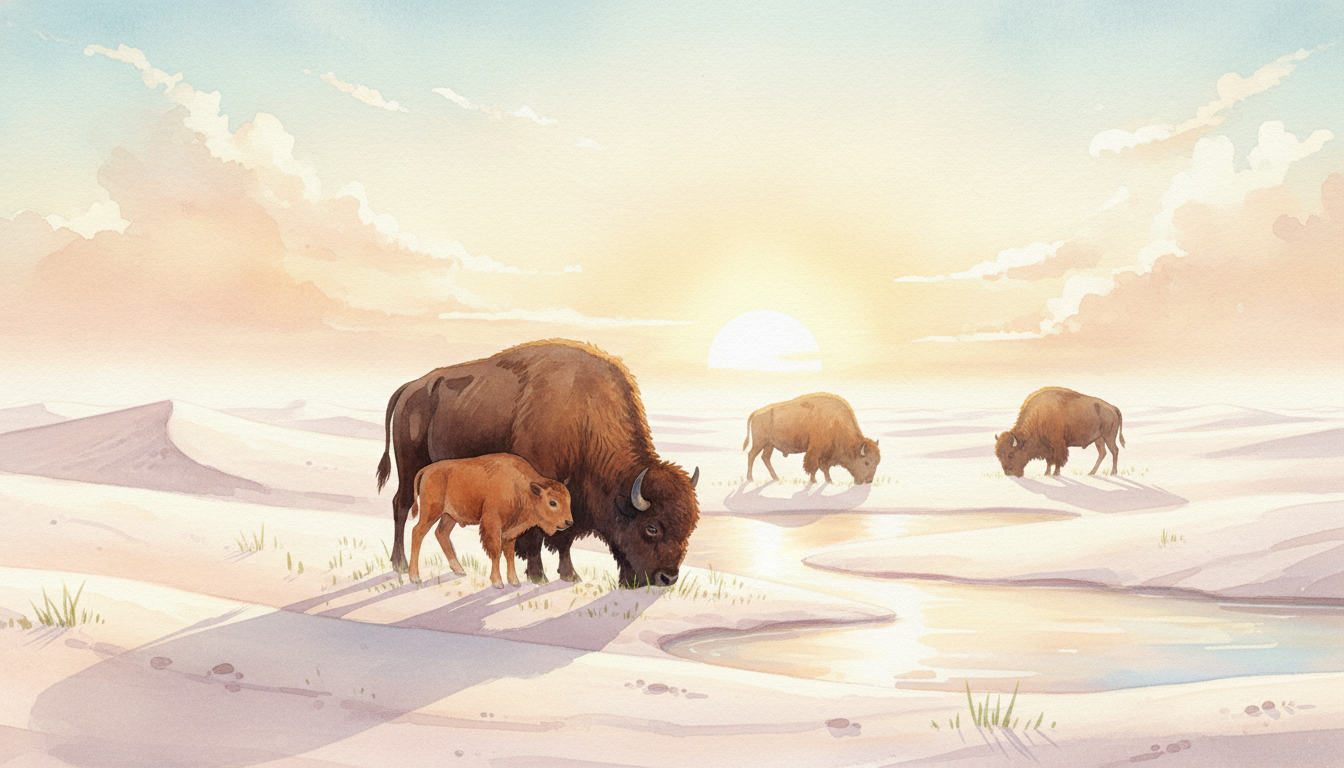
Picture it: vast, arid plains, punctuated by those almost otherworldly deep pools of water and shimmering gypsum dunes in a place called Cuatrociénegas. It’s a biosphere reserve, a real treasure trove of life, even though it’s surrounded by, well, desert. For centuries, literally millennia, these magnificent beasts, weighing over a thousand pounds, were the very anchors of that ecosystem. Then, they were gone. Two hundred years of absence, can you imagine? An entire landscape holding its breath, waiting.
But last year, a new chapter began. Forty-eight bison, carefully brought in from other parts of Mexico, were reintroduced into El Santuario Wildlife Reserve, a core area within Cuatrociénegas. “It offers you so much hope,” shared Gerardo Ruiz Smith, director of the Fundación Pro Cuatrociénegas. And honestly, isn’t that just it? Just the simple act of bringing back a fundamental species that *should* be there, that belongs, it’s a powerful thing. These aren’t just big, shaggy animals; they’re ecosystem engineers, you could say. Their thundering hooves break up the soil, letting water and seeds sink in. Their woolly coats, oh, they’re like nature’s own seed dispersers, carrying life across the land. And their dung? Prime fertilizer. Even their habit of scratching on trees and rolling in dust bowls helps shape the landscape, creating habitats for countless other species. When they eventually pass, their bodies sustain a whole new cycle of life. It’s a full-circle kind of magic.
Now, it’s not without its challenges, of course. Local ranchers, understandably, have concerns about their cattle, and these bison, designed to roam, are currently confined to a smaller area. The natural predators, like the Mexican wolf, are mostly gone. So, there’s a lot of careful planning needed for sustainable management. But Ruiz believes that with models from the US and Canada, they can find ways to not only help the land but also benefit the rural communities around Cuatrociénegas economically. Imagine that, a win-win!
It makes you think, doesn’t it? About how much we’ve lost, sure, but more importantly, about what we *can* regain. Fundación Pro Cuatrociénegas put it beautifully: “Today we are not just recovering a species: we are recovering balance, memory, and hope for a sustainable future.” That’s a sentiment I can really get behind.
The 508 Takeaway
This story, for me, isn’t just about bison; it’s a powerful reminder of nature’s incredible resilience and our role within it. It nudges us to consider the long game, the ripple effects of our actions, and how sometimes the most profound acts of kindness are simply about restoring what was lost, giving life a chance to flourish again. It’s a lesson in patience, in trust, and in the quiet, persistent power of balance. When we witness such a magnificent return, it invites us to pause, to breathe, and to remember that even in our own lives, finding joy and peace often comes from re-establishing a natural rhythm, from allowing ourselves to simply *be* and to connect with the inherent goodness that surrounds us. It’s about recovering our own balance, our own memory of what truly nourishes our spirit, and holding onto that hope for a sustainable, joyful future, one mindful step at a time.
This story was originally reported by Andy Corbley. You can read the full original article here.