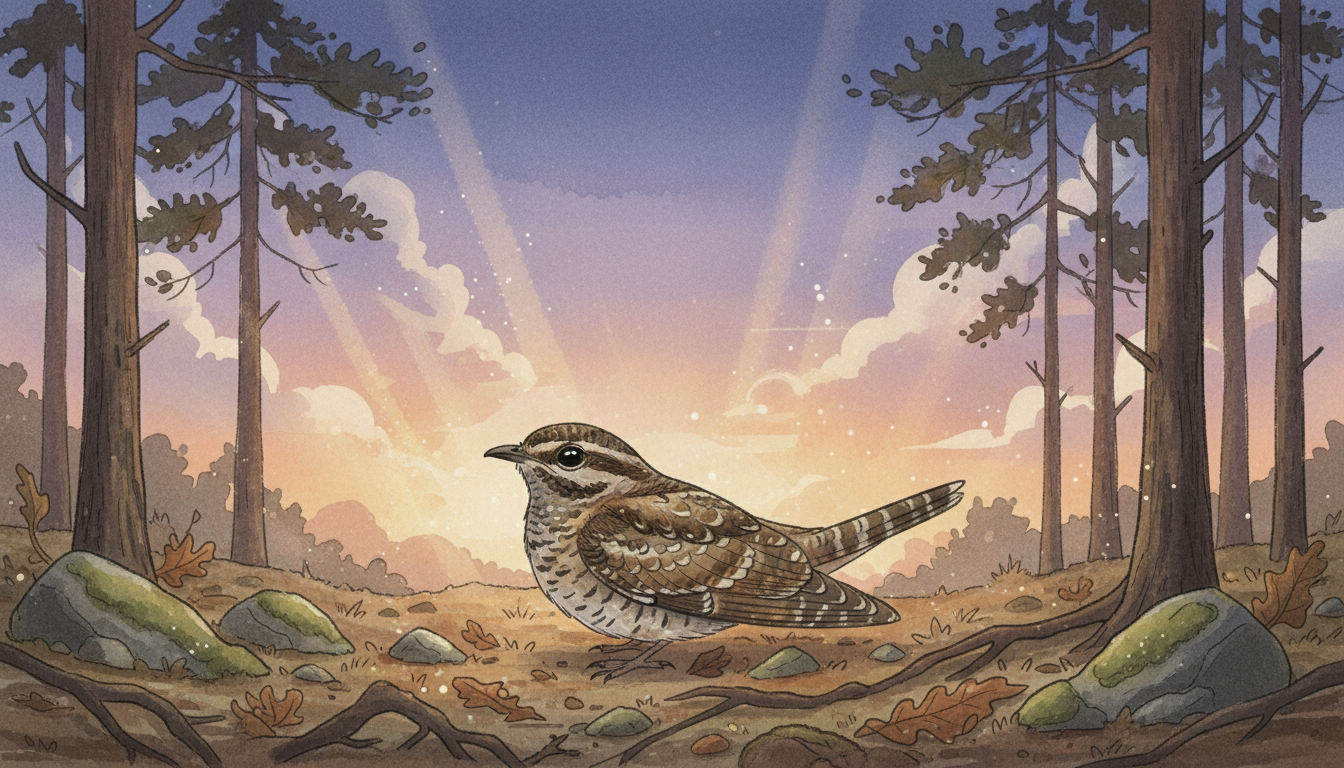
You know, sometimes, in those quiet moments, just as the day is giving way to night, something truly magical happens. That time when the sky softens to bruised purples and sleepy oranges, and the air carries a whisper of what’s to come. And then there’s a sound, if you’re lucky enough to be in the right place, a sort of churring, almost mechanical, but utterly wild. That, my friends, is the call of the nightjar.
These birds, well, they’re like nature’s ninjas, really. Incredible camouflage, active only at twilight, they’ve always been a bit of a mystery, haven’t they? For a while there, it looked like their secret might be lost forever. Their numbers, once abundant, plummeted by over 50% between the 70s and 2000s, mostly because their forest homes were disappearing. Pretty grim, if you ask me.
But here’s the kicker, the truly heartening bit of news I stumbled upon recently: these elusive creatures are making a remarkable comeback! In places like England’s South Downs National Park, folks really rolled up their sleeves, and what happened next? Over the last five years, their population has actually doubled. Doubled! Think about that for a second. It just goes to show you, doesn’t it, how much good can come from people really caring, really putting in the effort, you know?
They’ve been busy restoring precious heathland and forests, creating more safe spots for these ground-nesting birds. And critically, they’re talking to visitors, asking them to keep dogs leashed and stick to paths. Simple stuff, but it makes all the difference for a bird that travels 4,000 miles from the Democratic Republic of Congo just to raise its young there. Kirsty Murray, one of the park rangers, put it beautifully, calling good nightjar habitat “as rare as rainforest.” Isn’t that just a thought-provoker? It makes your heart feel a little lighter, knowing these tiny, quiet victories are happening.
The 508 Takeaway
This story, for me, it’s a powerful reminder that even the most fragile things can flourish again with a little mindful attention and kindness. It’s not always about grand, sweeping gestures; sometimes, it’s about the quiet, steady work of protecting a nesting spot, or simply being aware of our footprint. The nightjar’s return whispers a profound truth: our world is interconnected, and every small act of care, every moment we choose to observe and protect, contributes to a larger, more beautiful tapestry. It encourages us to look closer, to listen for the unseen, and to find joy in the resilience of life, especially in those twilight moments when magic feels closest.
This story was originally reported by Andy Corbley. You can read the full original article here.