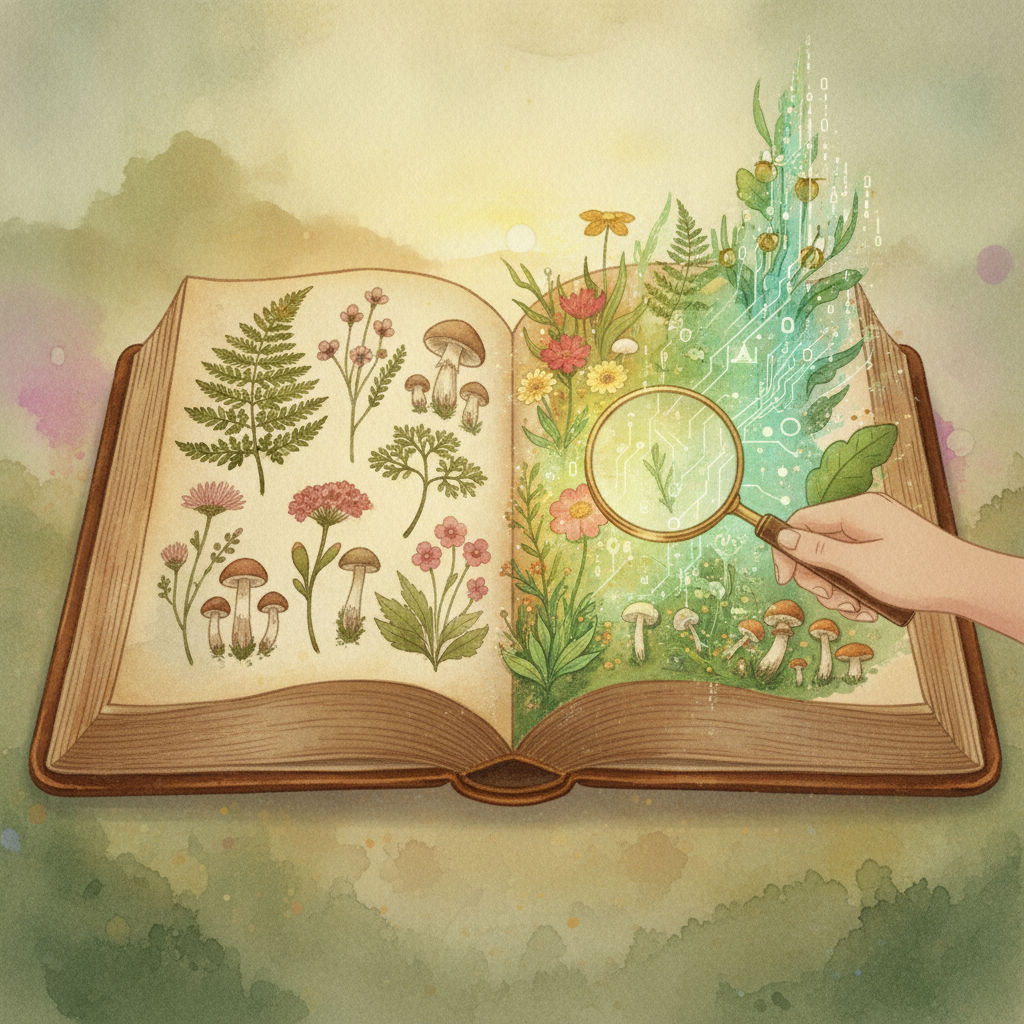
Picture this: a tiny, pressed flower, maybe a century and a half old, tucked carefully onto a sheet of paper. Now, multiply that by, oh, 7.4 million. That’s the staggering reality at the Royal Botanic Gardens Kew, one of the planet’s most incredible botanical treasure troves. For nearly two centuries, scientists there have been meticulously collecting and preserving plant and fungi specimens, some dating back to Darwin’s time. But here’s the kicker, the truly mind-blowing part: they’ve just finished a marathon effort to digitize *every single one* of those 7.4 million samples.
I mean, think about it. Seven point four million individual stems, leaves, seedheads, and flower buds, all scanned and uploaded. It sounds like something out of a sci-fi novel, doesn’t it? This wasn’t just for kicks, either. This monumental task, which is part of a larger global initiative, is a real game-changer for understanding our natural world. See, identifying these ancient, often delicate specimens can be incredibly tricky for human eyes. Mosses, for example, or some of those unassuming ‘forbs’—they can look practically identical to us, right? But to an AI, trained on microscopic details? It’s a whole different story.
What’s really wild is what this digital archive unlocks. Suddenly, knowledge that was, in a sense, ‘locked away’ in dusty cabinets is now accessible to anyone with an internet connection. It’s truly democratizing knowledge. Scientists are already using this data, combined with AI’s incredible computational power, to spot crucial trends, like how flowers worldwide are blooming weeks earlier than they used to. This helps us plan conservation strategies, discover new chemical compounds (hello, penicillin and statins!), and even identify species that have quietly gone extinct.
There are still hundreds of thousands of identified plants we know next to nothing about, and millions more fungi and plants believed to be entirely undescribed. Each one could hold genomic secrets that could transform medicine, agriculture, or materials science. This digital library, this vast, shared intelligence, allows us to tap into an unprecedented understanding of life on Earth. It’s a quiet revolution, isn’t it? A testament to human curiosity and collaboration, harnessing technology to protect the very foundation of our existence.
The 508 Takeaway
This story, to me, isn’t just about science; it’s a powerful reminder of the hidden wonders all around us, and the profound impact of collective effort. How often do we walk past a ‘simple’ plant without truly seeing the intricate history and potential it holds? Taking a moment to appreciate the depth of life, even in the smallest leaf or a forgotten fungi, can be a deeply mindful act. It encourages us to look closer, to be more curious, and to recognize the incredible interconnectedness of everything. And the idea that making knowledge freely available can help save species? That’s a beautiful act of kindness, not just to each other, but to the entire planet.
This story was originally reported by Andy Corbley. You can read the full original article here.