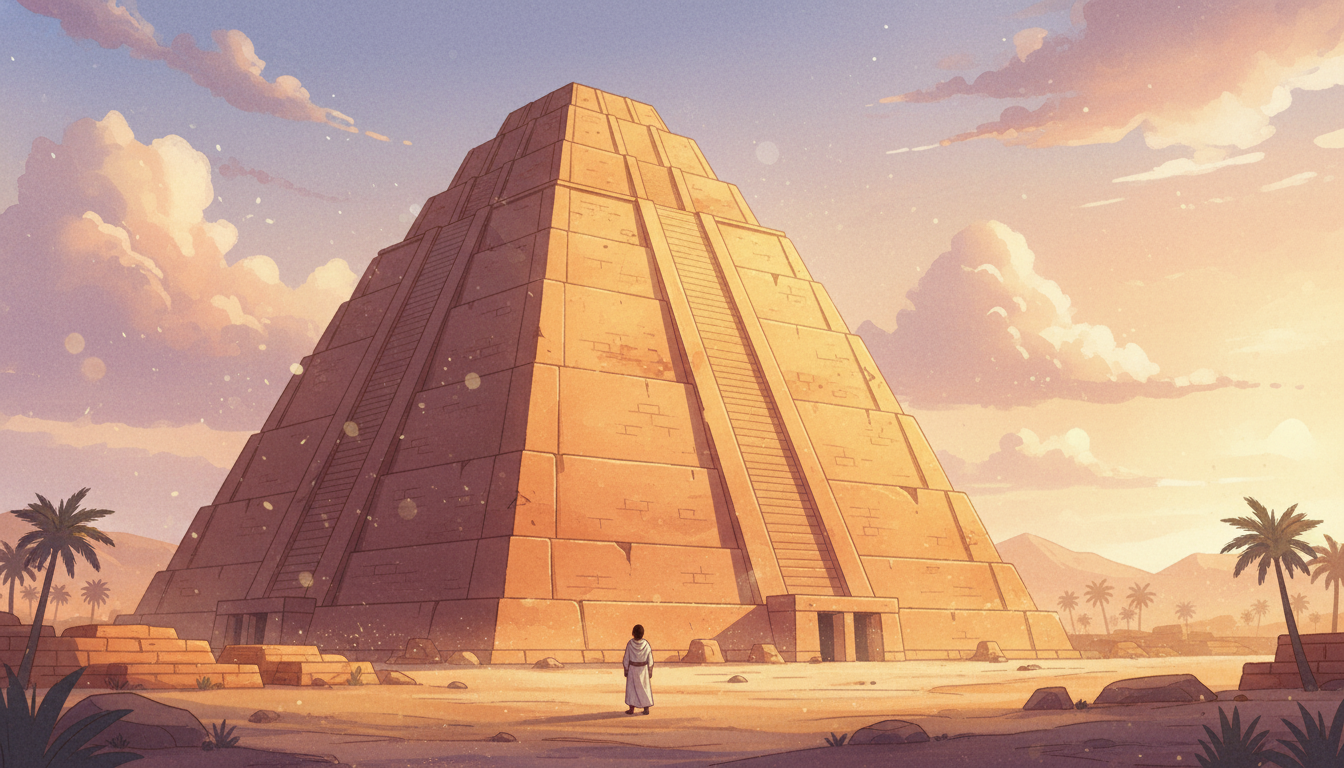
You know, sometimes the news, even the good stuff, can feel a bit… distant. But then I stumbled upon a story about the Ziggurat of Ur, way over in Iraq, and it just grabbed me. I mean, we’re talking about a structure built *5,000 years ago*. Think about that for a second. Five millennia. And right now, folks are painstakingly working to preserve it, not with some flashy modern fix, but by making new bricks that are *chemically identical* to the originals. How cool is that?
This isn’t just any old pile of bricks, of course; it’s a UNESCO World Heritage Site, a monumental testament to the Sumerians, one of the earliest urban civilizations known to us. This ziggurat, a temple to the moon god Namma, once soared almost a hundred feet tall, a beacon in the desert, built from simple air-dried mudbrick and bitumen. It’s seen empires rise and fall, been restored before—even by Saddam Hussein, believe it or not—and now, climate change is really giving it a beating. Wind, sand, you name it, eroding away those ancient layers, making the northern side especially vulnerable.
But here’s where it gets truly special, really touches something deep, I think. Unlike some modern restorations we see, which can be a bit… well, gaudy, these Iraqi preservationists? They’re going the extra mile. They took a sample from the ziggurat itself, analyzed it, and then *handmade* new mudbricks right there on site, using clay from an environment just like ancient Ur. It’s not about slapping on a quick fix; it’s about a profound respect for what was, for the very essence of the structure. Archaeologist Khadim Hassoun Honaein, who’s part of the team, explained it, and you can just feel the reverence in his words, can’t you? This isn’t just a job; it’s a conversation across millennia, a beautiful, quiet commitment.
The 508 Takeaway
And that, for me, is the real ‘508 Life’ moment here. In a world that often rushes towards the next new thing, always innovating, always upgrading, there’s such profound beauty—and a powerful lesson—in this meticulous, almost reverent, act of preservation. It reminds us that true care isn’t always about grand gestures or flashy solutions. Sometimes, it’s about the quiet, painstaking effort to understand and honor what’s already there, to replicate its original spirit, to slow down and truly *see* its value. It’s about intentionality, isn’t it? About choosing authenticity over expediency. Maybe we can take a page from those patient hands in Ur and apply it to our own lives: finding joy not just in building new things, but in carefully tending to the precious, sometimes fragile, things that have always been with us—our relationships, our well-being, our planet, even our own quiet, ancient selves. That kind of deep, abiding care? That’s where true mindfulness, and lasting joy, really blossom.
This story was originally reported by Andy Corbley. You can read the full original article here.