It started with a phone call back in 2016, a whisper really, reaching Bolivian biologist Paola Nogales-Ascarrunz. “A weird cat,” the man on the other end said, “found it, but it’s… different.” He’d tried to domesticate the tiny creature, but it quickly became clear this wasn’t your average house pet—not a domesticated bone in its wild heart. So, he took it to a wildlife sanctuary, and that’s where Paola, a National Geographic Explorer with a passion for wild felids, stepped in.
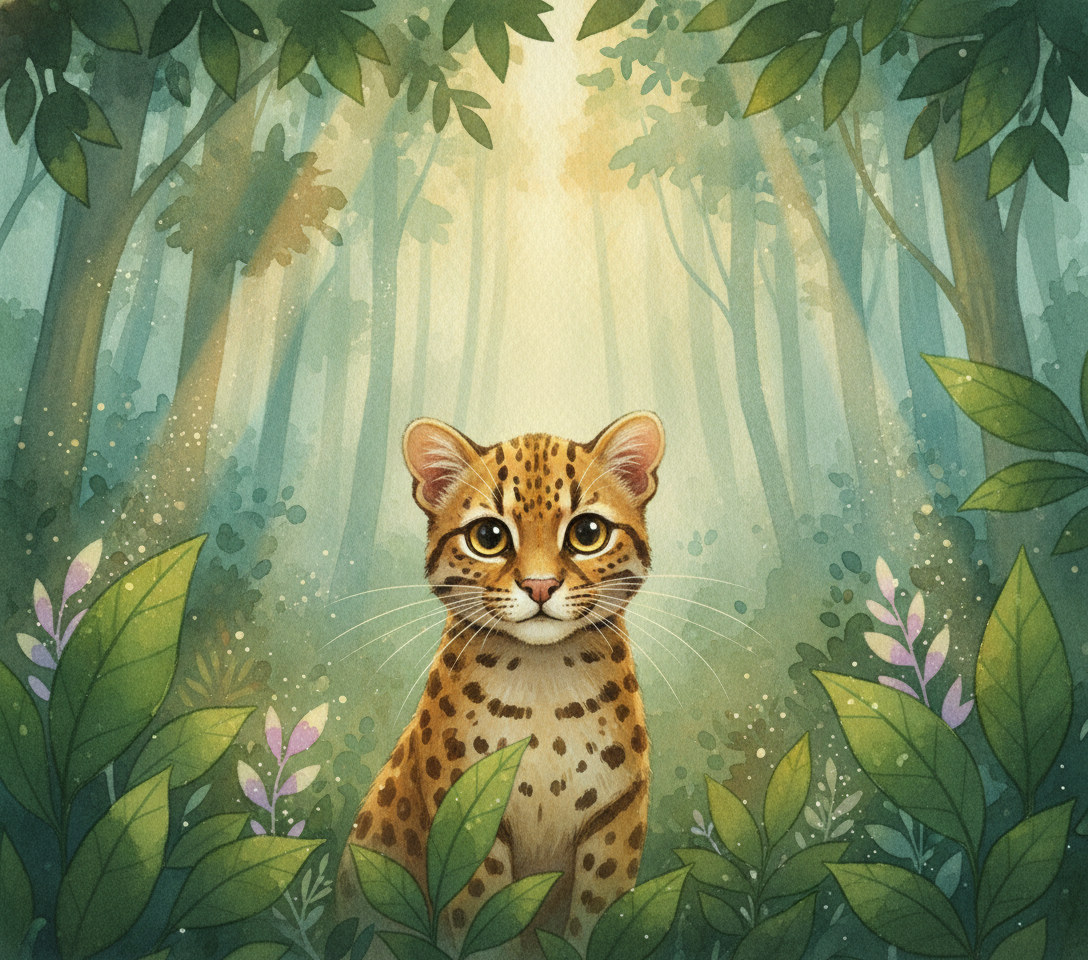
When she finally saw it, oh, it was striking. Long, sensitive whiskers, ears so small you almost missed them, and these gorgeous, big rosettes patterned across its fur. Her first thought? Probably an oncilla, one of those small, spotted cats—a “tiger cat,” though they’re not related to actual tigers or leopards, which is kinda funny, isn’t it? She cataloged it, moved on with her important work.
But here’s the kicker, the part that truly gets me: three years later, while prepping a booklet on Bolivia’s amazing cat species, something just didn’t sit right. She looked at *that* cat’s photos again, then at the known oncilla species, and the differences, subtle at first, became glaring. It was like looking at two siblings and suddenly realizing one was actually a distant cousin. This wasn’t just *another* oncilla.
What followed was a half-decade-long deep dive into the very DNA of this mysterious little feline. Imagine that dedication! With the help of a brilliant geneticist, Eduardo Eizirik, they pieced together the puzzle. And boom! A groundbreaking discovery: a species never before recorded by science, the first new cat species identified in over a century. They named it *Leopardus tilcayo*, honoring the indigenous community who simply called it “tilcayo” because, well, their grandparents called it that. It had diverged from its closest relatives 1.4 million years ago—talk about ancient lineage!
This whole endeavor didn’t just add a new name to the list; it literally redrew the family tree for an entire genus of small cats. It shows us, doesn’t it, how much more there is to learn, how much wonder still hides just beyond our current understanding.
The 508 Takeaway
This story, for me, is a beautiful reminder of what happens when we stay curious, when we truly *look* at the world around us, even at things we think we already know. How often do we rush through life, labeling things quickly, assuming we’ve got it all figured out? The tilcayo, this “weird cat,” teaches us a profound lesson: sometimes, the most extraordinary discoveries are hiding in plain sight, waiting for someone to take that second, deeper look. It’s about being open to surprise, about recognizing that our world, and even our own lives, are far more complex and filled with hidden marvels than we often give them credit for. Let’s try to approach our everyday with a bit more of that explorer’s spirit, shall we? You might just find something amazing.
This story was originally reported by Andy Corbley. You can read the full original article here.