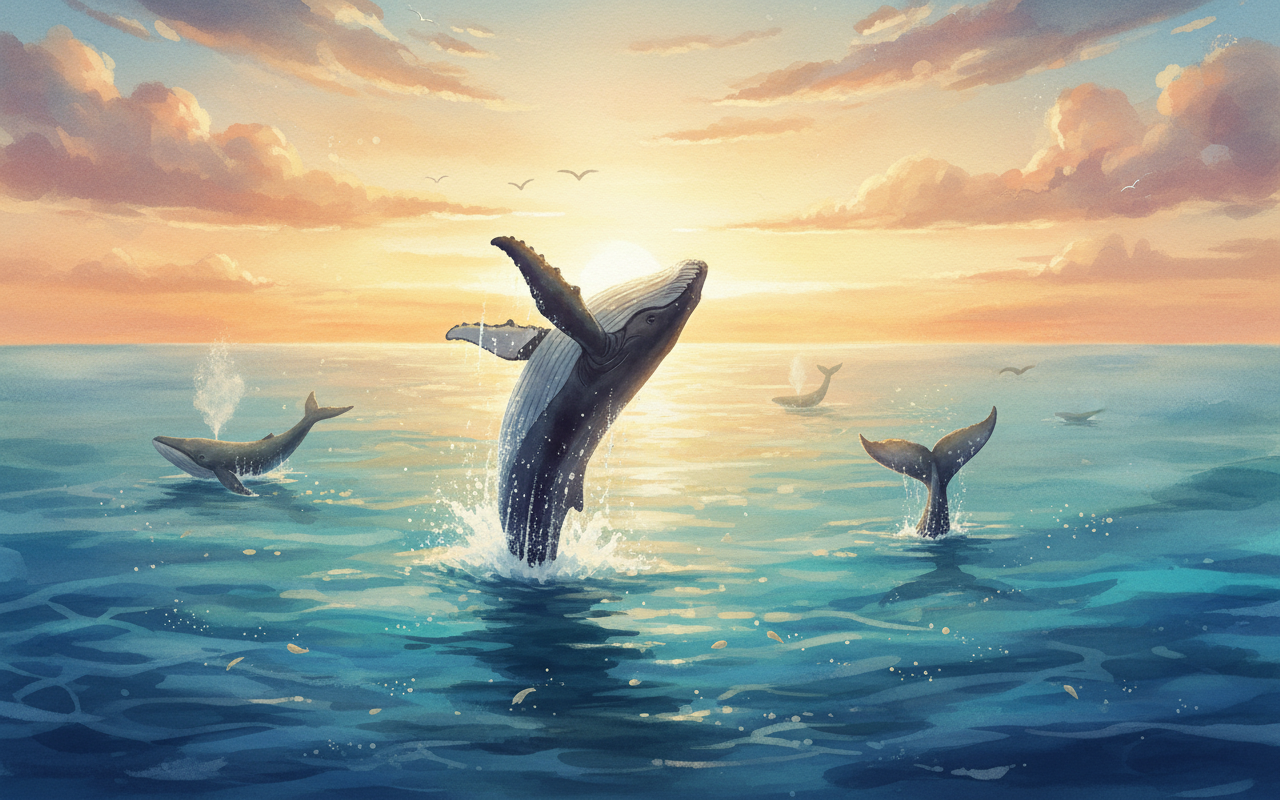
Imagine being out on the vast, sparkling ocean, and suddenly, it’s like a hundred bombs are going off around you. Not in a scary way, no, but in an utterly thunderous, awe-inspiring explosion of life. That’s precisely what wildlife photographers Chris and Monique Fallows described recently, witnessing something truly extraordinary off the coast of South Africa. They’d stumbled into what scientists affectionately call a ‘supergroup’ of humpback whales, and let me tell you, it wasn’t just *a* supergroup; it was *the* supergroup, a record-breaking gathering of 304 individual baleen whales. Three hundred and four! It’s almost impossible to even picture, isn’t it?
The Fallows, bless their adventurous hearts, weren’t even trying to set a record. They were just out there, doing their thing, when the ocean erupted. They told the BBC the constant breaching was like ‘bombs going off,’ and get this – the sheer *stink* of it, they said, was unbelievable, permeating the air for miles. Can you imagine? The noise, the spray, the smell, the sheer, overwhelming *presence* of so many giants. Monique and Chris were apparently laughing, just overwhelmed, saying there was ‘so much going on that you didn’t even know what to photograph. It was like rapid fire.’ I mean, talk about a good problem to have, right?
These ‘supergroups’ – defined as twenty or more whales swimming within five body lengths of each other – are a relatively new phenomenon, only really documented since 2011. They form during the austral summer when the Benguela upwelling, a major ocean current, brings nutrient-rich cold water to the surface. This creates a veritable feast of plankton and krill, and the whales, with their magnificent baleen plates, just gorge themselves. It’s a conservation success story too; humpbacks, once perilously close to extinction due to whaling, are now thriving, with populations rebounding to an incredible 125,000 individuals worldwide. This latest sighting included many whales never documented before. Scientists have a few theories about why these supergroups are now common, but the prevailing thought is that as their numbers have recovered, these massive feeding frenzies, perhaps historically common, are simply becoming visible again. Now, according to marine biologist Simon Elwen, the surprise isn’t seeing a supergroup, but *not* seeing one. What a change! What a hopeful, beautiful change.
The 508 Takeaway
This story, for me, isn’t just about whales; it’s about the unexpected burst of joy that nature, and indeed life itself, can throw our way. We often get so caught up in the mundane, the predictable, the things we *expect* to see, that we forget to look for the ‘supergroups’ in our own lives. Those moments of overwhelming beauty, of collective energy, of pure, unadulterated wonder that just *happen*. Maybe it’s a sudden, vibrant sunset, or a spontaneous moment of connection with a stranger, or even just the quiet hum of community when everyone’s working towards a shared goal. The Fallows didn’t go looking for a record; they just stayed present, open to the possibility of something grand. That’s the lesson, I think: to keep our eyes and hearts open for those surprising, glorious moments, those incredible gatherings of life that remind us of the sheer, joyful abundance all around us, if we only bother to notice.
This story was originally reported by Andy Corbley. You can read the full original article here.