Thirteen years old. What were *you* doing then? Probably dreaming of summer, maybe agonizing over a crush, certainly not discussing palliative care. But that, heartbreakingly, was Alyssa Tapley’s reality just a few short years ago. Her blood cancer, T-cell leukaemia, had stubbornly refused every standard treatment. It felt like the absolute end of the road. A premature finish line, you know?
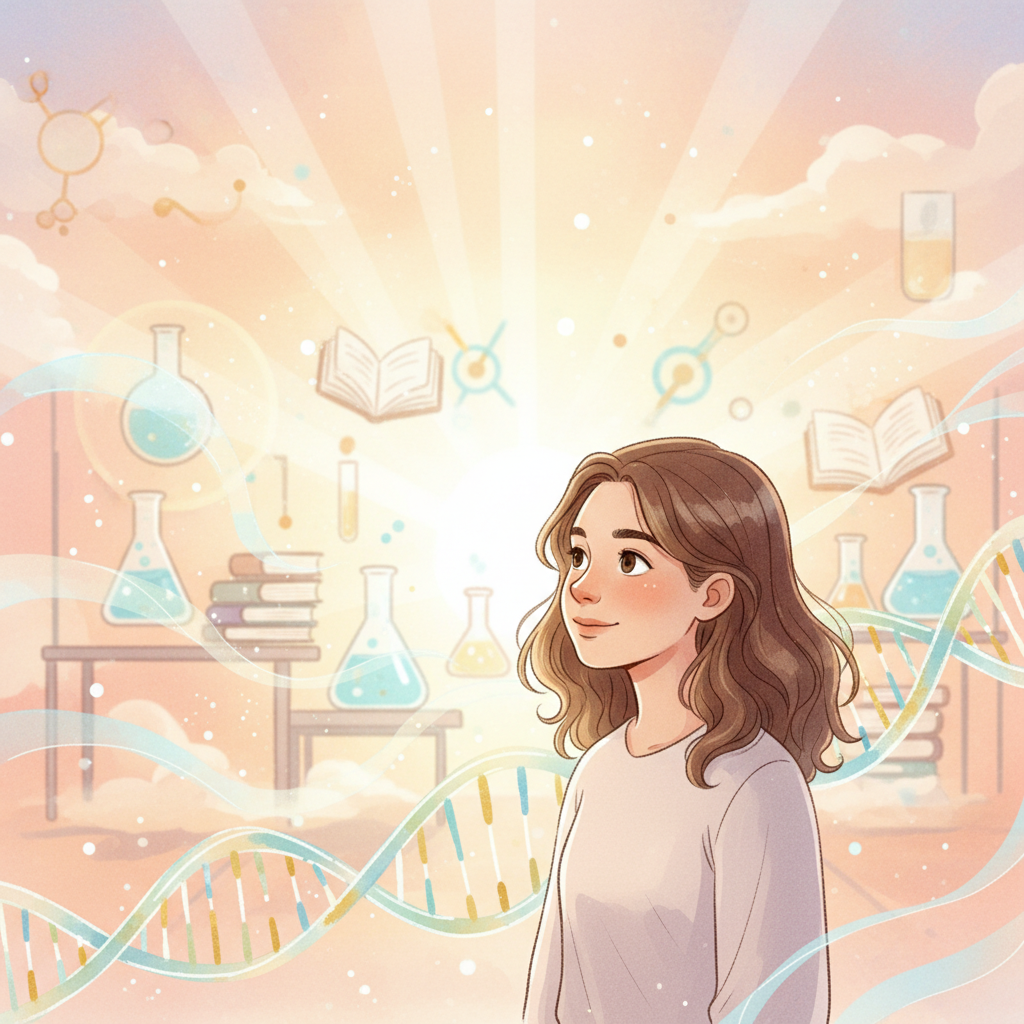
Then, a whisper of something truly astounding happened. Something straight out of, well, a sci-fi movie, really. Scientists at Great Ormond Street Hospital and University College London – absolute marvels, aren’t they? – had developed a revolutionary gene therapy. Professor Waseem Qasim from UCL put it best: “A few years ago this would have been science fiction.” They’re essentially taking white blood cells from a healthy donor, then meticulously, almost surgically, *editing a single letter of their DNA code*. Imagine that precision! And then? Giving these newly programmed, super-smart cells back to the patient. They become a “living drug,” trained to hunt down and obliterate those stubborn cancer cells without the body rejecting them. It’s called BE-CAR7, and Alyssa was the very first person in the *world* to receive it.
And oh, what a difference! This innovative technique, an advanced version of CRISPR, triggered “deep remission” in most patients. For Alyssa, it was nothing short of miraculous. She’s now sixteen, cancer-free, and guess what? She’s been discharged to long-term follow-up. Her ultimate goal, she says, is to become a research scientist herself. To be part of the next big discovery. Just incredible. This isn’t just a win for Alyssa; it’s a beacon of hope for the 20% of T-cell leukaemia patients who, like her, don’t respond to standard treatments. Dr. Rob Chiesa, a bone marrow transplant consultant at GOSH, highlighted how desperately these patients need better options. And here it is.
The 508 Takeaway
Reading Alyssa’s story, it’s impossible not to feel a surge of something profound – hope, yes, but also a deep appreciation for the sheer grit of the human spirit, both in those who suffer and those who dedicate their lives to healing. It reminds us, doesn’t it, that even when things seem utterly bleak, when we’re facing what feels like an insurmountable wall, there’s always potential for a breakthrough. Sometimes that’s a scientific marvel; sometimes it’s a tiny shift in perspective, a moment of unexpected kindness, or simply the quiet resilience we didn’t know we possessed. This story, for me, underscores the incredible power of dedication, of never giving up on the seemingly impossible. It’s a beautiful testament to the idea that every single effort, no matter how specialized, can contribute to a larger tapestry of well-being and joy. And really, what could be more mindful than holding onto that belief, even when the odds feel stacked against you?
This story was originally reported by Gavin Haines. You can read the full original article here.