Just the other day, I was sitting with my morning cuppa, scrolling through an interview with the acclaimed novelist Ian McEwan, and something he shared really just… stopped me in my tracks. He was talking about messing around with an AI music program, asking it to set Philip Larkin’s famously bleak ‘This Be The Verse’ to country music. And you know what? It apparently came out ‘rather beautiful.’ Then, a Sinatra-esque ‘The Rolling English Road’ – incredibly sophisticated, orchestral even. My first thought? Wow. My second? A little shiver, honestly, about where all this tech is taking us.
McEwan, a writer whose novels often wrestle with the big moral and technological questions of our age, admitted he felt both impressed *and* a bit depressed by it all. But here’s the kicker, the part that truly resonated: he quickly pivoted from the dazzling, slightly unsettling future of AI to something far more fundamental – our collective future on this planet. He’s got a new novel, `What We Can Know`, which paints a future shaped by climate change, yet where people, somehow, *endure*. They adapt. And that, my friends, is a powerful thought.
He spoke about his grandchildren, a very real, tangible concern for what kind of world we’re leaving them. It’s not some vague sci-fi future anymore, is it? We’re living this transition *now*. But then, he said something that just… well, it flipped a switch for me. ‘We know what to do,’ he stated, plainly. ‘It’s not very difficult to transition to an electric economy and stop burning fossil fuels. Our future is very open.’
He even pointed to this article by Bill McKibben, ‘Here Comes the Sun,’ which talks about how we’re actually turning a corner on greenhouse gas emissions, especially thanks to strides in places like China. For a few days after reading that, McEwan said he felt ‘completely different.’ And I get it, don’t you? It’s like, you’re so used to hearing the doom and gloom, then suddenly, a chink of light appears.
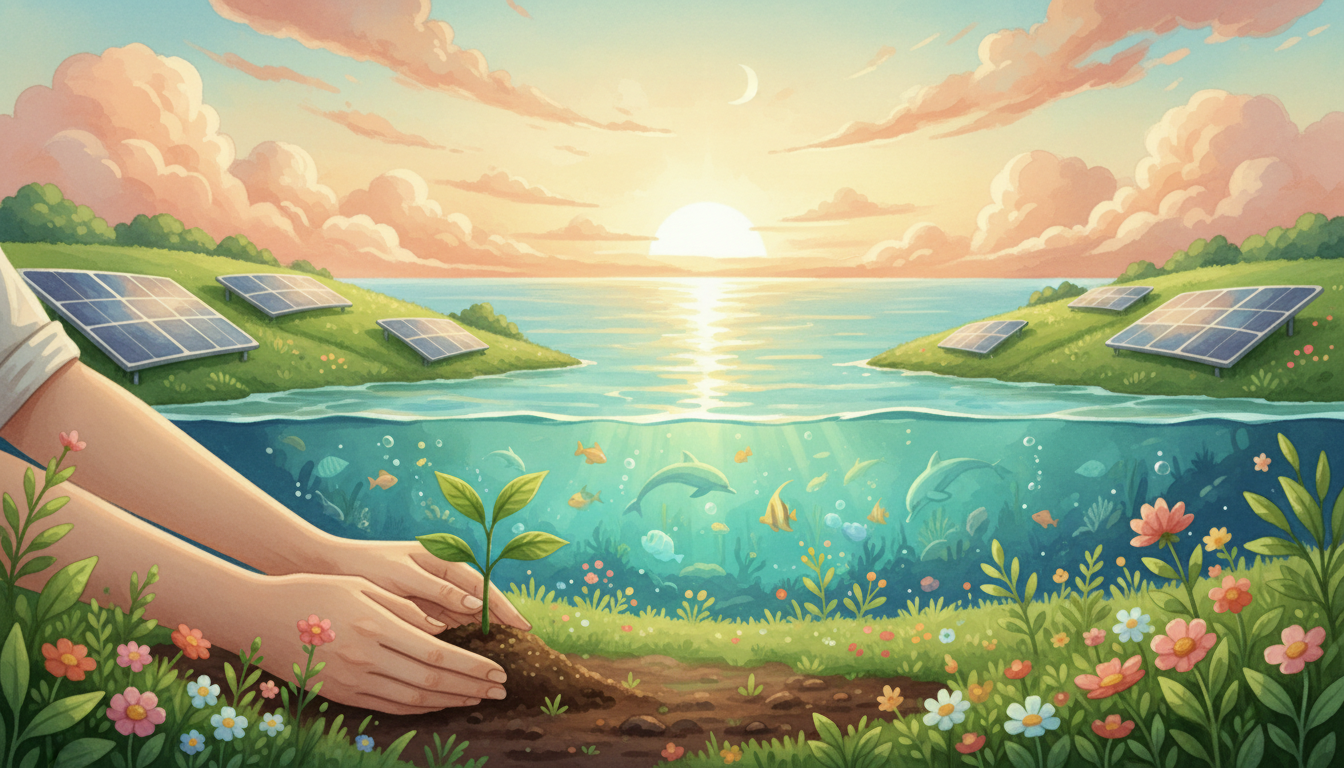
He also finds immense hope in things like rewilding projects – those places where we just *stop* interfering. Take the Community of Arran Seabed Trust, for instance. Marine biologists are absolutely gobsmacked by the resurgence of life there, just because fishing boats are kept away. Or Chernobyl, of all places! That ‘no-go’ zone is now one of Ukraine’s most biodiverse regions. It really makes you pause, doesn’t it? Wherever we stop doing bad things, nature, with this incredible, inherent resilience, just pushes back.
He even shared his own joy, a very personal one, in installing solar panels at his home. The satisfaction of sending current *back* to the grid? An ‘extraordinary feeling,’ he called it. And that, I think, is the key. There are ‘1,000 points of light’ out there, he believes, all these small, powerful projects, and we just haven’t joined them up yet. It’s not all that difficult, truly. We just have to stop doing bad things and do good things.
The 508 Takeaway
What struck me most profoundly from McEwan’s words, and what feels so right for our ‘508 Life’ philosophy, is this beautiful simplicity: ‘Stop doing bad things and do good things.’ It’s not about grand, overwhelming gestures, necessarily. It’s about those ‘1,000 points of light,’ about the quiet satisfaction of installing a solar panel, or choosing to support a local rewilding effort, or even just being kinder in your daily interactions. Mindfulness, to me, often means being present enough to *notice* where we’re doing harm, and then having the courage – and the simple clarity – to choose differently. It’s about finding joy in the *doing good*, in that quiet resilience, in seeing the world heal, even in small ways. We each have a part in those ‘points of light,’ don’t we? What a hopeful, empowering thought.
This story was originally reported by Graeme Green. You can read the full original article here.