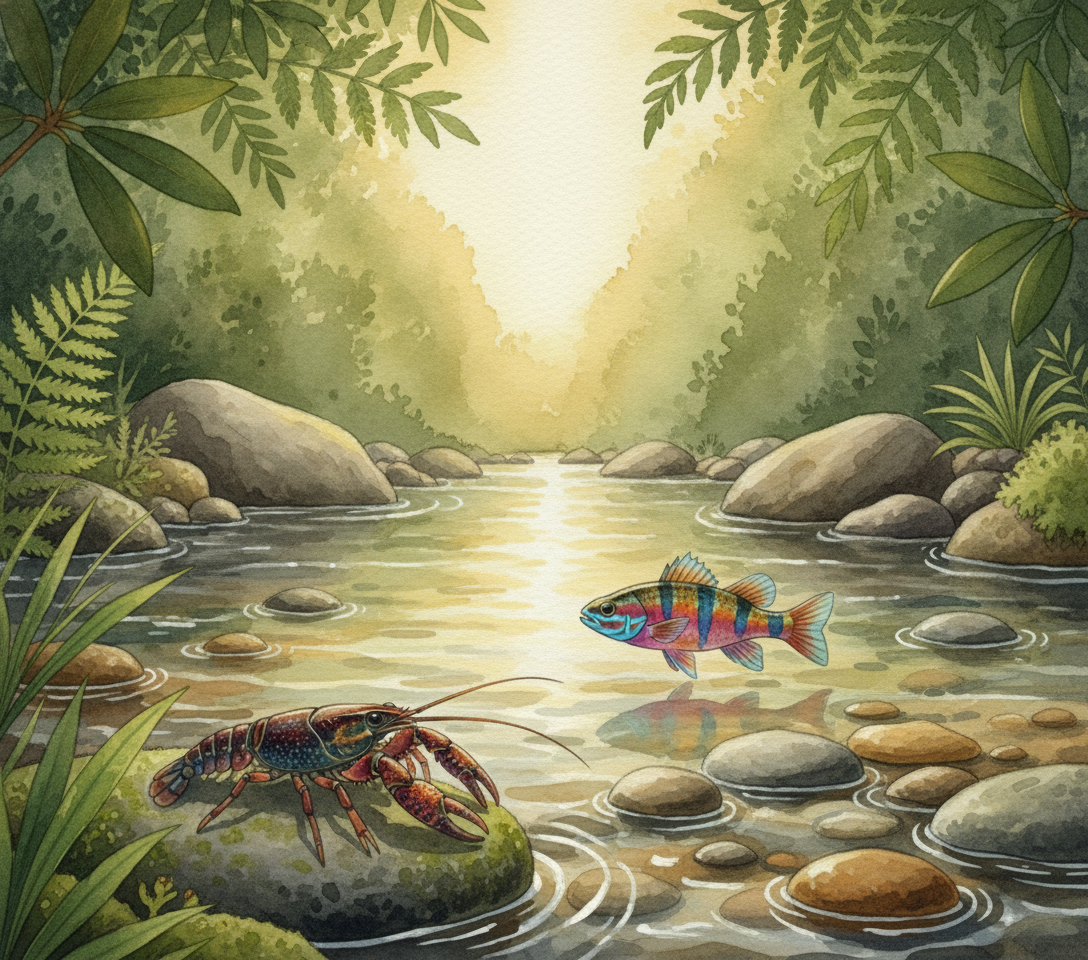
Picture this: a tiny Guyandotte River crayfish, maybe an inch or two long, scuttling along the bed of a crystal-clear stream in Appalachia. Or a candy darter, flashing brilliant colors as it navigates the currents. These aren’t just obscure creatures; they’re vital threads in the rich tapestry of life, little bellwethers, as one advocate put it, for the health of our planet and, frankly, for us.
For too long, it seems, certain coal mining operations in these pristine, ancient mountains were, shall we say, playing a bit fast and loose with the rules. They’d found this sort of backdoor, a streamlined process that basically let them skip a proper analysis of the harm their activities actually caused to endangered species and their habitats. Can you believe it? It’s almost like the universe, or at least a court, finally said, ‘Hold on a minute! That’s just not how this works.’
Well, as May wrapped up, a U.S. district court swooped in and, thankfully, slammed that loophole shut. This ruling, coming from the District of Columbia, means no more cutting corners. Coal mines now, unequivocally, have to follow the Endangered Species Act to the letter. They’ve got to genuinely assess their impact and, most importantly, mitigate any harm they cause to these delicate ecosystems and the creatures barely hanging on within them. It’s a huge, huge win, a real victory for the streams, the forests, and every living thing that calls Appalachia home – including us, because we need clean water too, don’t we?
Jared Margolis, a senior attorney from the Center for Biological Diversity, put it so well, calling it an ‘incredibly important victory.’ And you know what? It feels like one. It’s a moment to just pause and breathe, a reminder that sometimes, when we speak up for the vulnerable, for the quiet corners of our world, good things really do happen. It’s a big deal, folks.
The 508 Takeaway
This isn’t just a legal victory; it’s a profound lesson in mindfulness and kindness. It reminds us that every single part of our natural world, no matter how small or seemingly insignificant – like a crayfish – is interconnected and worthy of protection. When we advocate for the well-being of a river or a tiny creature, we’re not only practicing kindness towards nature, but we’re also nurturing our own capacity for empathy and connection. Finding joy, then, can be as simple as recognizing that when we stand up for the quietest voices, we help create a more harmonious, vibrant world for all.
This story was originally reported by Andy Corbley. You can read the full original article here.