You know how a particular smell can just *transport* you? Like, instantly? For me, it’s the lingering scent of my grandma’s old wooden chest – a mix of lavender sachets and mothballs, honestly – and boom, I’m five years old again, digging through her treasures. It’s a powerful thing, isn’t it? This uncanny ability of our noses to pluck memories right out of thin air.
So, when I stumbled upon news about scientists actually *recreating* scents from 3,500 years ago for museum visitors, my jaw pretty much dropped. I mean, talk about a time machine! Dr. Barbara Huber and her team, these super smart folks in bio-molecular archaeology, are basically sniffing out the past. They’re finding these tiny ‘molecular fingerprints’ left behind on ancient objects – like, actual chemical traces of perfumes, medicines, and even everyday stuff. It’s, well, pretty mind-blowing.
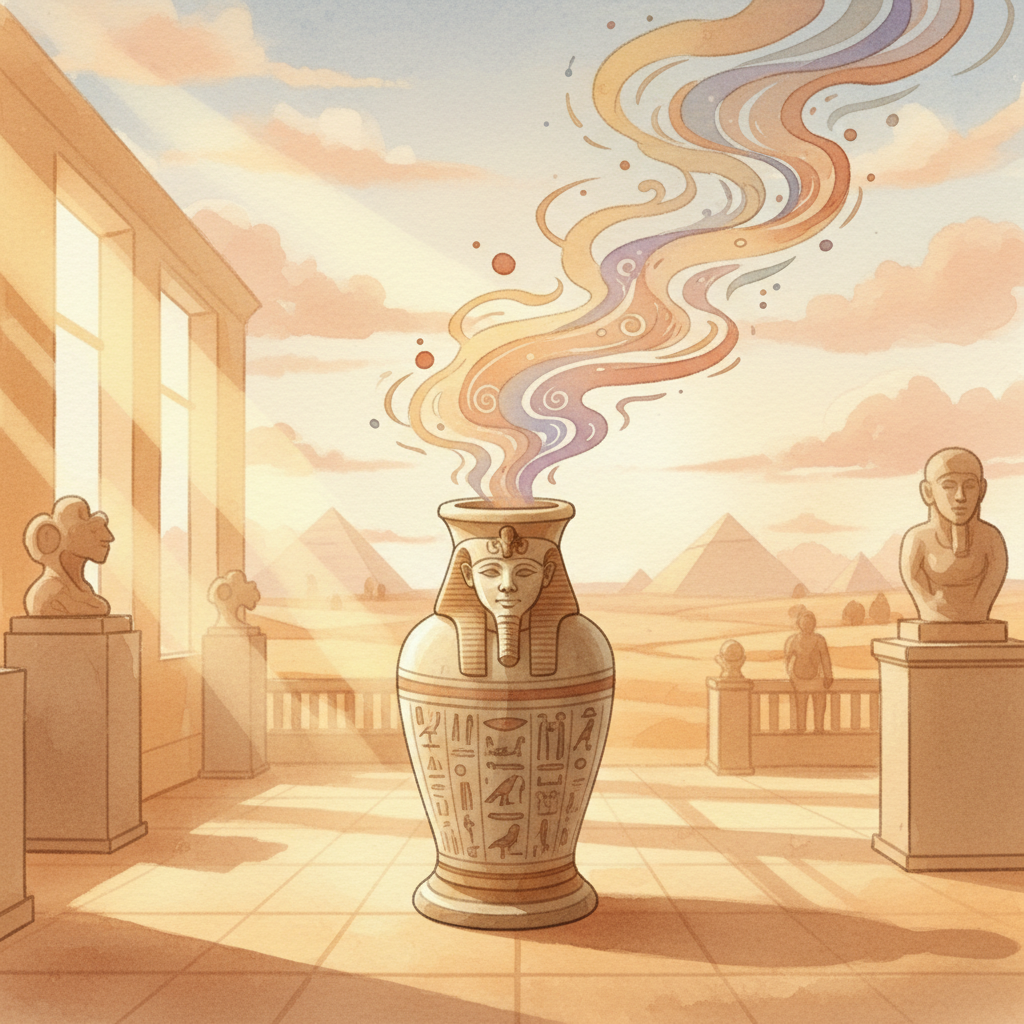
Working with scent consultants and perfumers, they’ve managed to turn this hard science into a sensory experience. One of their most incredible feats? Recreating the ‘Scent of the Afterlife.’ Yeah, you heard that right. They analyzed balm residues from the canopic jars of an Egyptian noblewoman named Senetnay, dating all the way back to 1450 BCE. We’re talking beeswax, plant oil, fats, bitumen, various tree resins – some of these ingredients, researchers noted, came from *way* beyond Egypt’s borders. It just screams ‘global trade’ even back then, doesn’t it? And, you know, just how important Senetnay must’ve been, to have access to such exotic stuff.
They’ve brought these ancient aromas to life in museums, using scented cards and even fixed diffusion stations. Imagine, instead of just reading about mummification, you could actually *smell* the complex, intentional balms used. It moves beyond the horror movie clichés, right? It helps you appreciate the profound motivations behind those ancient actions, offering an emotional depth that plain old text labels simply can’t touch. It’s a whole new ballgame for experiencing history, if you ask me.
The 508 Takeaway
This whole idea, this ability to literally *smell* the past, it just profoundly grounds me, you know? It’s not just about history anymore; it’s about connection. That lingering scent of Senetnay’s mummification balm – it’s a direct, almost intimate, whisper from someone who lived millennia ago. It reminds us that across all these countless years, humans have always sought meaning, ritual, and a way to honor life, and death, with intention and care. It makes me think about how we often rush through our days, barely noticing the rich tapestry of smells around us. What if we took a moment, just a beat, to really *inhale* our present? To appreciate the transient, yet powerful, olfactory clues that define our own now? It’s a subtle form of mindfulness, I reckon, a quiet nod to the continuity of human experience.
This story was originally reported by Good News Network. You can read the full original article here.