
Good News
From Forest Trails to Beautiful Pages: How Rhino Dung Is Protecting Wildlife
Today, I find myself smiling at how the most unexpected gifts in nature can turn conflict into harmony. In Assam, India, home to thousands of majestic greater one-horned rhinos and elephants, wild animals sometimes wander out of national parks like Kaziranga and Pobitora into nearby farm fields. When giant herbivores eat crops or break through fences, it can naturally test the patience of the hardworking farming communities living along the park borders.
That is where Mahesh Chandra Bora and his daughter Nisha stepped in with an inventive vision. Mahesh, a retired mining engineer, read about papermaking using rhino dung in Rajasthan and wondered why the same couldn't be done in Assam. He began testing methods right in his own kitchen, pulping undigested plant fibers using his wife's blender. Inspired by the potential, Nisha left her corporate career of seventeen years to join him, and in 2014 they launched Elrhino Stationery.
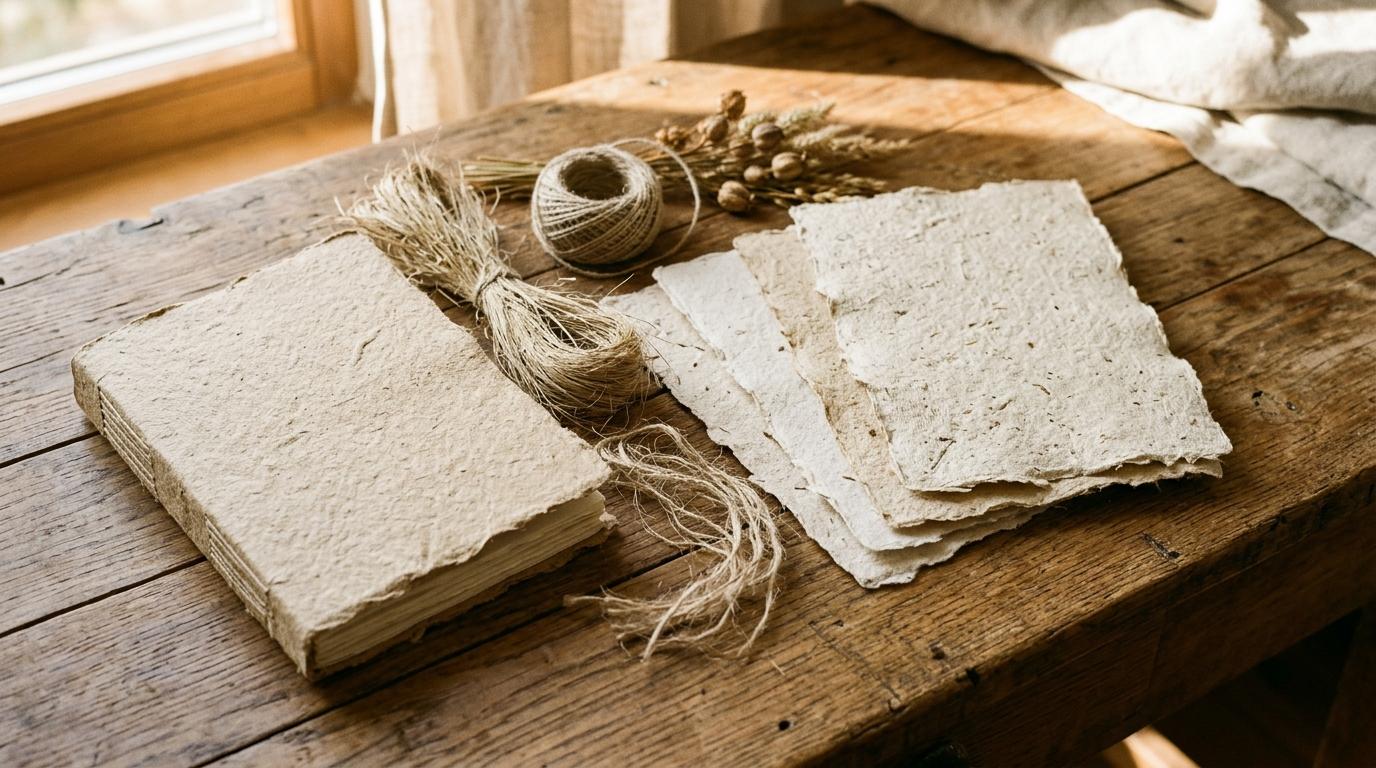
The business begins directly with local families, who harvest rhino and elephant dung from the surrounding land and sell it to Elrhino. Instead of seeing crop damage as a pure loss, villagers now find valuable piles of natural raw material on their doorstep. Once gathered, the dung is thoroughly washed and boiled to collect the rich plant fibers. Combined with recycled paper or cotton waste, the pulp is pressed and dried into sheets, creating beautiful notebooks, journals, paper bags, lampshades, and playing cards.
It brings me so much joy to see human ingenuity bridge the gap between people and the wild. By transforming everyday animal waste into practical, lovely stationery, this family helps ensure that both rural communities and magnificent rhinos can thrive together peacefully.
The 508 Takeaway
True harmony often begins when we reimagine how we view the challenges around us, turning everyday coexistence into a shared blessing for both people and nature.
This story was originally reported by Andy Corbley. You can read the full original article here.
Source
Andy Corbley